


2026-08-04 11:04:48
Who knows how reality will continue to develop? There’s no way to prepare. When you can’t be prepared, be prepared to find poetry in the chaos. Secret messages, serendipitous grace, lines of meaning in a whirlwind of uncertainty.
“It's gonna change, baby doll
It's gonna change, honey ball
It's gonna change, sugar cane
It's gonna change, sweetie legs.”—Yoko Ono
This is a test but so is everything.
Everyone is watching you and everyone will judge you and you have to make peace with it.
Also, no one is watching you and no one cares and you have to make peace with that, too.
You will always displease some people.
In the end, you are watching and judging and ignoring and being displeased, too. It evens out.
Give up on pursuing happiness as quickly as possible. Seek to live, instead. It's quite the experience, but it will include much, much more than happiness.
Give yourself comfort in small things and challenge in big things. Or maybe the opposite.
Pick 3 skills from the list below and master them as quickly as possible:
how to defuse an argument
how to make a Venn diagram
how to not take everything personally
how to be running up that hill
how to stop trying
how to keep trying
how to properly use the words effect and affect
how to make a dent in the universe
how to roast a marshmallow perfectly the way you like it
how to forgive yourself
how to make a great sandwich
how to ask questions
how to make numbered lists
how to write in cursive (A fading skill! Grab it now before it’s gone. Or don’t because literally no one cares.)
how to find your people
how to make a great lemon dessert
how to ignore lists like this
Alternately, memorize a poem instead. It will be more beautiful, and just as useful. Perhaps more useful.
Who knows how reality will continue to develop?
When you can’t be prepared, be prepared to find poetry in the chaos. Find your kind of poetry — whether it’s in words or music or the ocean or motion or a really great sandwich — and look for it everywhere. It will always be there, waiting to be found by only you.
2026-07-14 11:56:57
Julia Roberts? She was in that one movie with that guy, and the other one with the other guy, and like 100 more. Whatever.
But she’s old news. Like all the other celebrity names I actually recognize, which isn’t a lot, but is some.
Just a minute ago a headline floated by: Person A is doing Thing with Person B, what will Person C think?
I have no idea: Who the people are, their relationship or lack thereof, their various claims to fame. I do not possess any crumbs of context helping me interpret the situation or nod knowingly about what C’s thoughts will be. I Got Nothing.
Which is fine.
Preferable, even.
I’ve never been a very good fan, it’s just not my thing. But cultural knowledge always seeps in. You just know some stuff like who’s famous and why, and you even have some sort of opinion about them.
Until you don’t.
I have reached the don’t point. It’s peaceful here.
2026-06-30 01:19:00
Today I turn 45 which is, if you think about it, half of 90! And also about 30 years older than I feel on the inside! What is age? What is time? What is reality? I certainly don’t know.
Current situation:
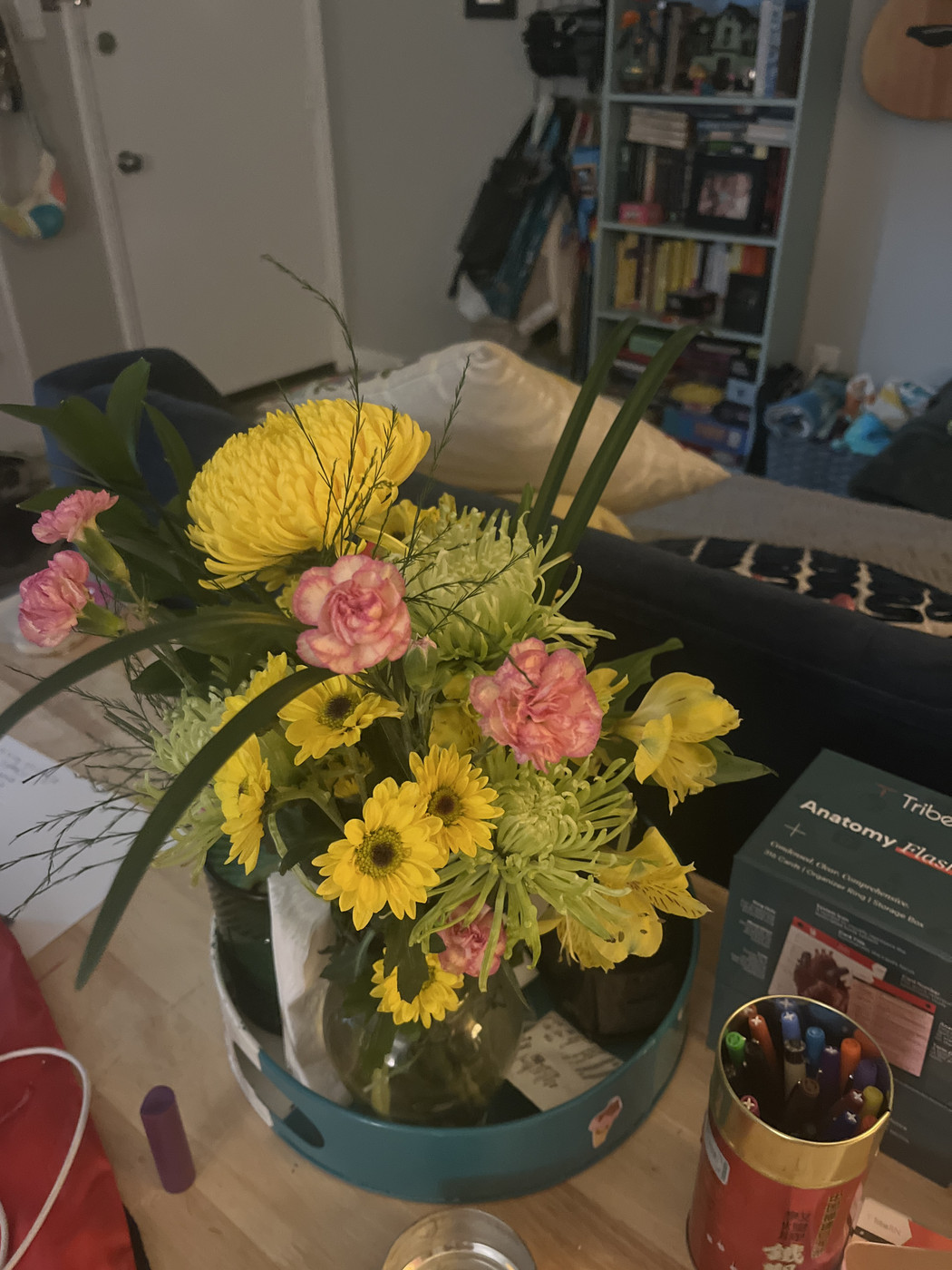
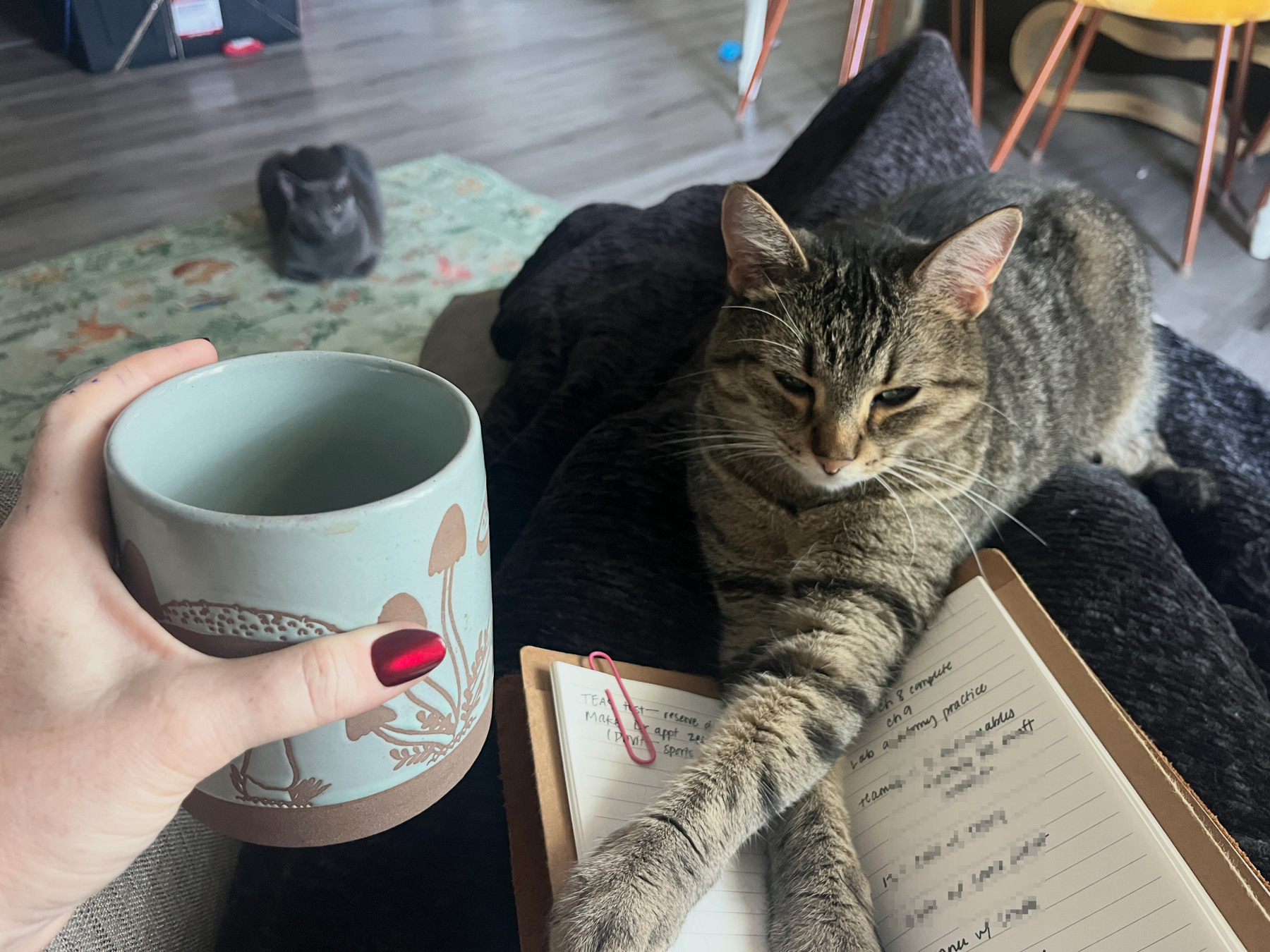
Monday 22 June: Study anatomy! Work! Lily to therapy! Go to the gym! Eat dinner! Study some more! Fall into bed thinking about tissues and bones!
Tuesday 23 June: Hospital day 🏥 💛 Got to see a double fasciotomy (helped with the dressing change) which was fascinating. Got yelled at, cursed at, and called a sweet angel (all by the same patient). 🤷♀️
Wednesday 24 June: Work! Call with new boss! (It went fine!) Memorize more bones! Go to the gym! DID YOU KNOW LIFTING WEIGHTS MAKES YOUR ACTUAL BONES PRODUCE MORE BONE CELLS SO THEY ARE DENSER AND STRONGER AND YOU ARE MORE FLEXIBLE AND RESILIENT? You won’t get taller but you will get stronger! So get your osteocytes working, friends! Pick up heavy things and put them down again! Do it over and over on a semi-regular basis!
Thursday 25 June: Work! Big team call with new boss! (Also went fine!) Bones bones bones bones bones bones bones bones bones. Gym! Lift heavy things. Walk on the treadmill while watching YT videos about bones!
Friday 26 June: Work! Bones! Took Lily for her permit test! She passed! More bones! Gym! Bones! Dinner! Bones! Bed!
Saturday 27 June: Hospital day 🏥 💛 Long day. Got home late. Kids all in various places. Quiet. Showered, looked at the anatomy study pile on the table, and went straight to bed.
Sunday 28 June: Feeling amazing after 9 hours of sleep, wow. I should do that more often.
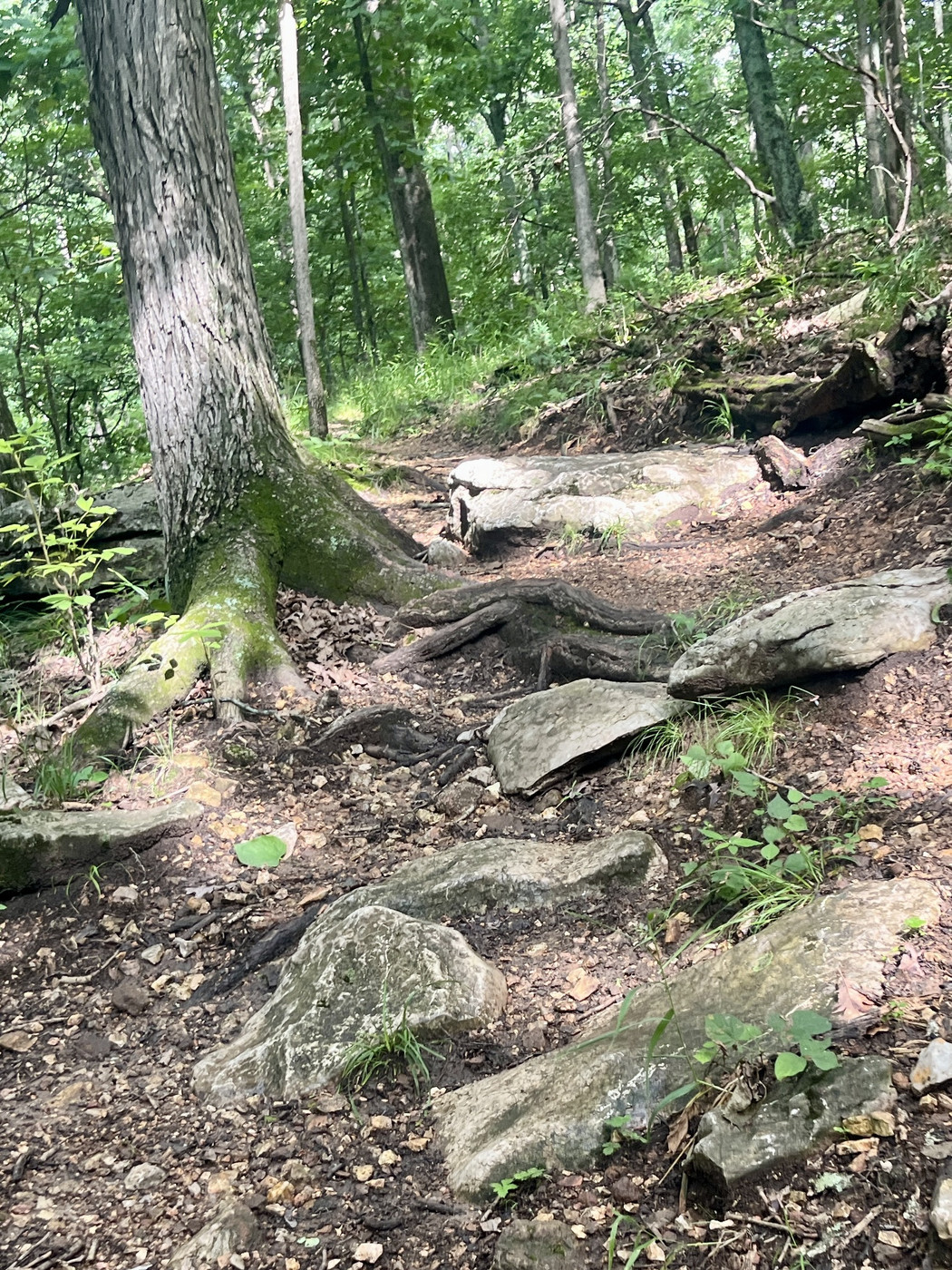
🥾 Hiking church with Jenn. 💜 It was hot. Hello, summer hiking in Missouri.
Lunch with Katie. 💜
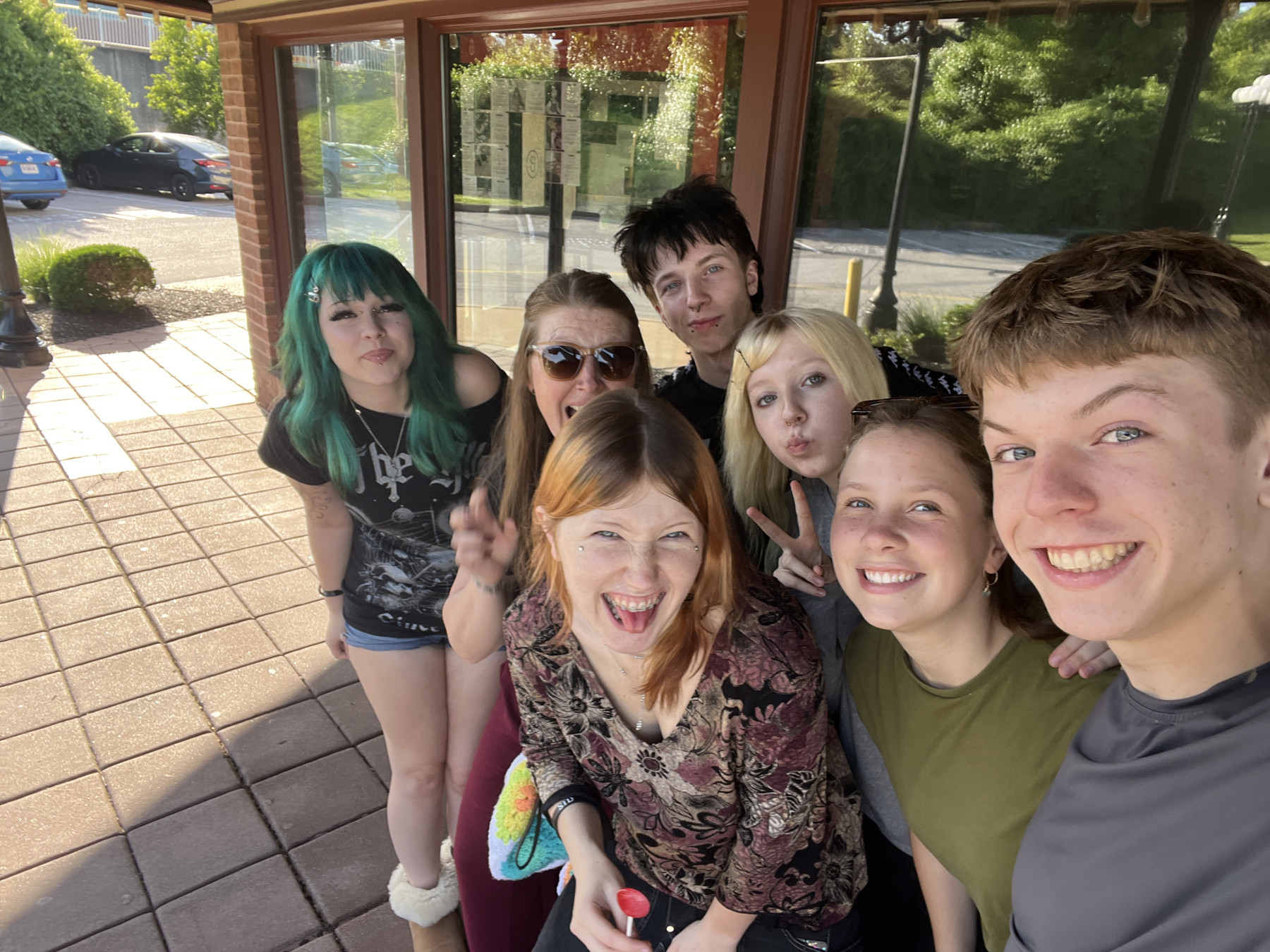
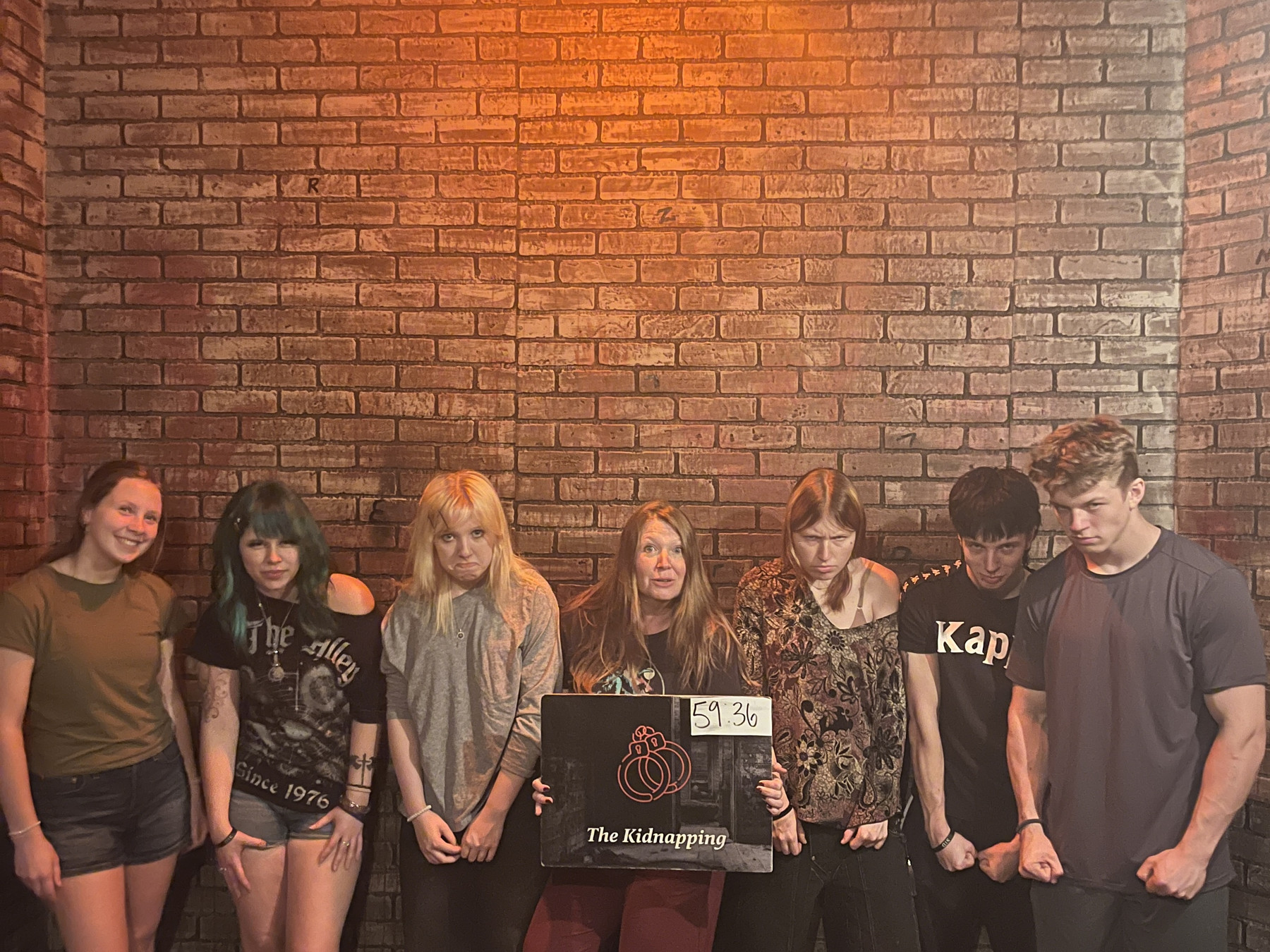
Mara in town for birthday time. ALL MY BABIES AROUND ME AT ALL TIMES IS ALL I AM ASKING FOR OKAY. Also 9 hours of sleep every night. 💜 Cards and flowers and treats all day. They wrapped my gifts in a giant ball of bubble wrap and packing tape. 😂 We did an escape room which we escaped with 26 seconds on the clock. Then breakfast-dinner at Denny’s. Dumb jokes, snort-laughing, plans for world domination.
Came home and studied bones until I fell asleep at the table. Took myself to bed.
Monday 29 June: Slept 9 hours again. I can conquer the world or at the very least memorize a lot of bone fissures.
Work, gym, and study today. Steak salad for dinner sounds good.
Anatomy test on Thursday, at which point I can stop thinking about bones and start thinking about muscles.
Later this week, time with Holly and dinner with Linds. 💜
Took Friday 3rd off work and don’t have hospital shifts, so I have a long luxurious weekend ahead.
I’m here for the poetry. For 45 lucky, lucky years, this collection of minutes and hours and days stacked up and sliding around, I’ve been here. I get to be here. I get to keep being here for some minutes and hours and days more.
I am, a stride at a time. A very short space of time through very short time of space.
— James Joyce
2026-06-25 05:29:00
I have to publish this now, we’re already halfway through W26.
Current situation:
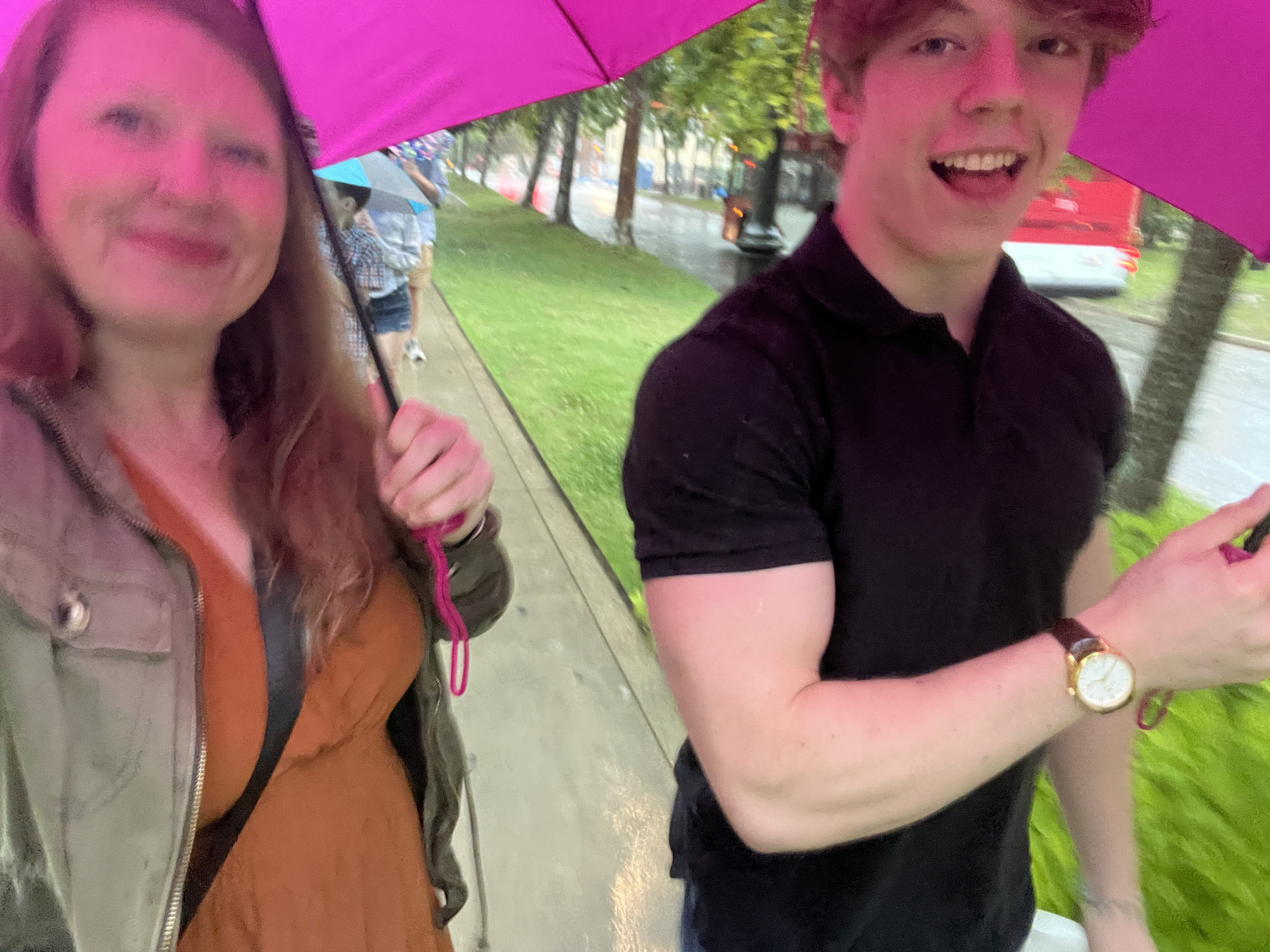
Monday 08 June: The U of Ark college visit. Zeke really likes it and they have a great engineering program. It poured down rain all morning. I bought umbrellas in the gift shop. I am bad at selfies.
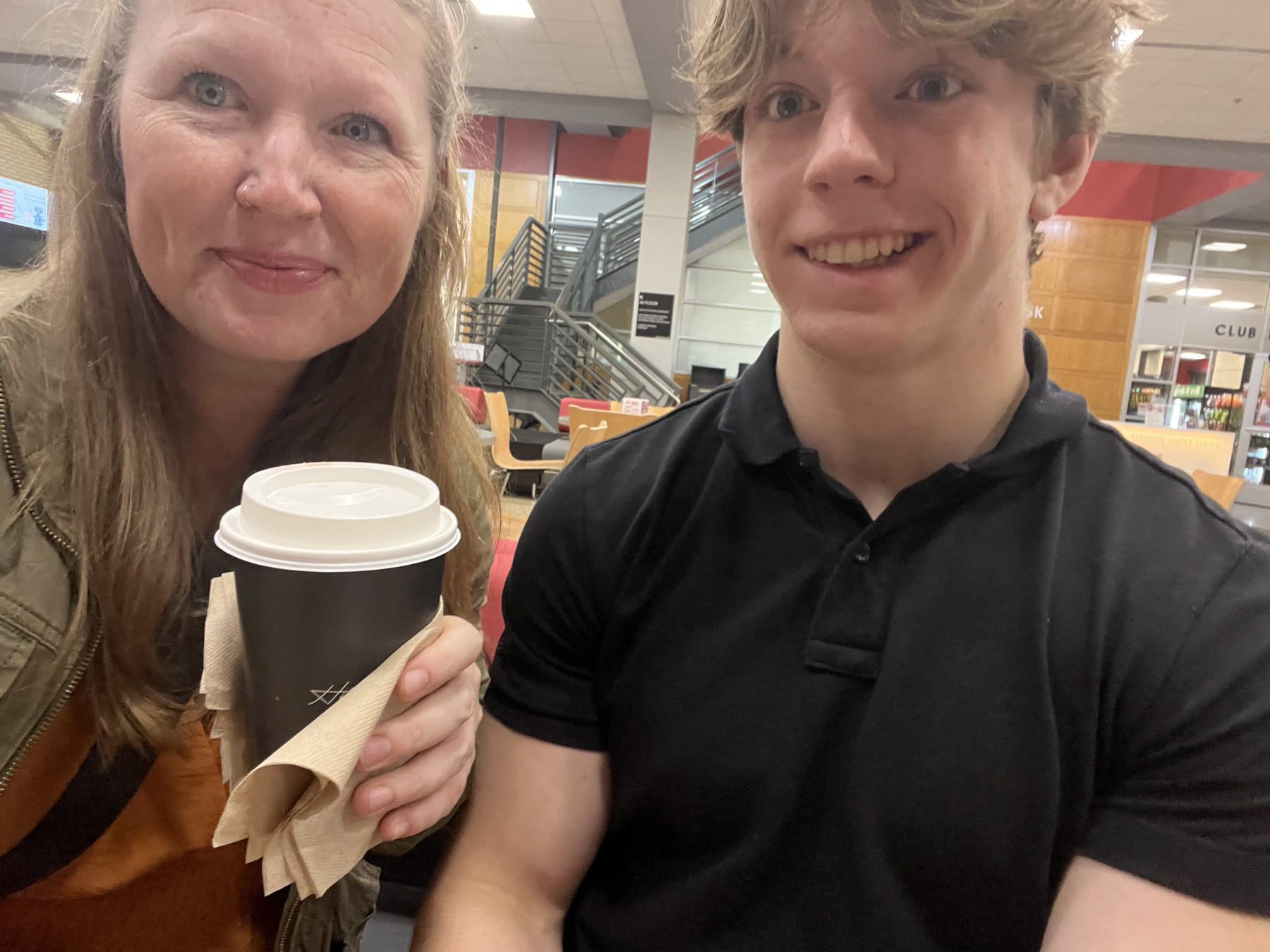
Tuesday 09 June: Coffee with a friend I’ve known since middle school. “Are we turning 45 this year?” Turns out, yes.
We all begin as a bundle of bones lost somewhere in a desert, a dismantled skeleton that lies under the sand. It is our work to recover the parts.
— Clarissa Pinkola Estés
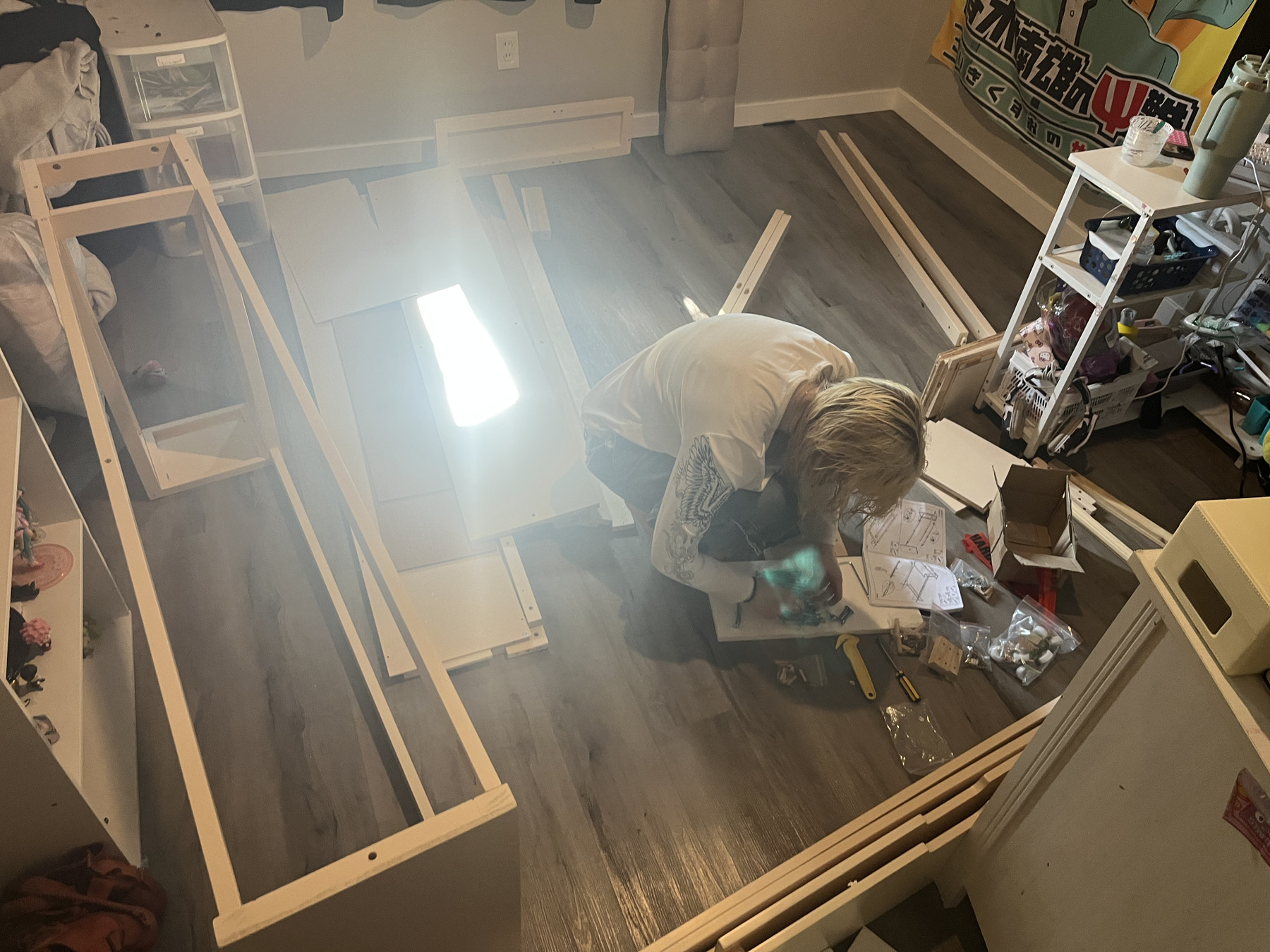
Wednesday 10 June: After work, Lily and I tackled the overly complicated bed assembly which involved
One trip to the hardware store for missing bolts
One order of Chinese takeout
A lot of squinting at fuzzy tiny diagrams in the optimistically vague instructions
Swearing
Much laughter
Six (6!) hours of KPop.
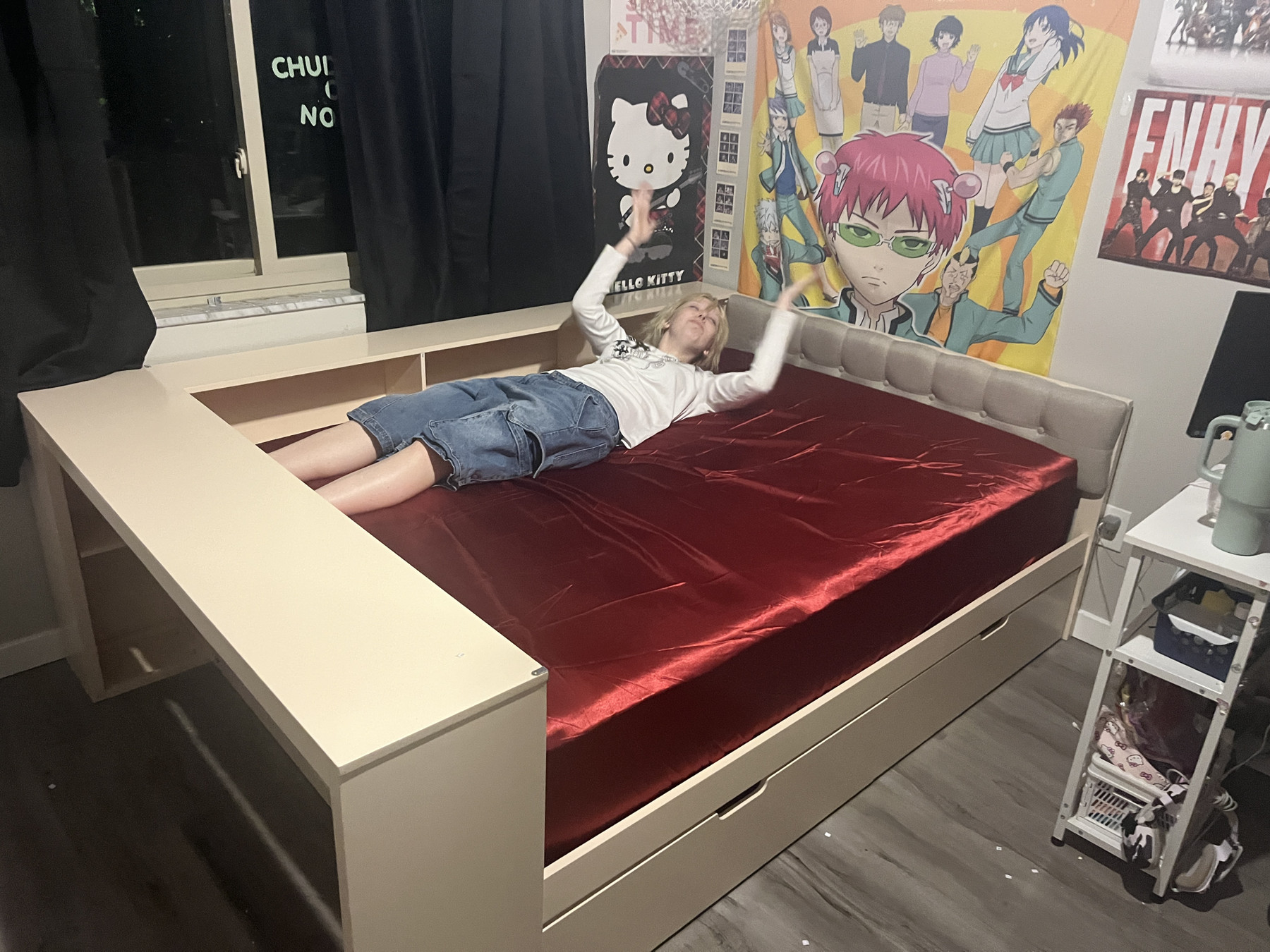
So far the bed has not fallen apart.
Friday 12 June: Early morning work call. I’m gonna drink a gallon of coffee today. Who am I kidding, I drink a gallon of coffee everyday. The weather is still cooler than usual. I like it.
Monday 15 June: The weekend was a blur with hospital shifts on Saturday and Sunday. Beautiful weather. Took a looooong walk to make up for missing my usual weekend hike.
Tuesday 16 June: First deadlines for the summer term: anatomy & physiology 1 and a communications class. A&P in 8 weeks might have been a mistake. Did okay on the first exam but it just covered tissues. Next up is ALL THE BONES.
Fortunately the communications class is just a lot of writing and open-book quizzes. 😅
Wednesday 17 June: To the library for a “We get dumb shit done” session. Here’s how it works: You text a friend. You choose a time. You reserve a study room. You bring your laptops. You sit there together in the study room and do dumb life-admin shit like filling out forms, making appointments, canceling subscriptions, whatever. You make fun of everything and complain to each other the entire time. After a couple of hours you get a surprising amount done.
Saturday 20 June: My first Saturday off in…. a while. Other than a minor unavoidable study session, I successfully avoided being productive and spent the day lounging, reading, snacking, and hanging with the girls. Perfection.
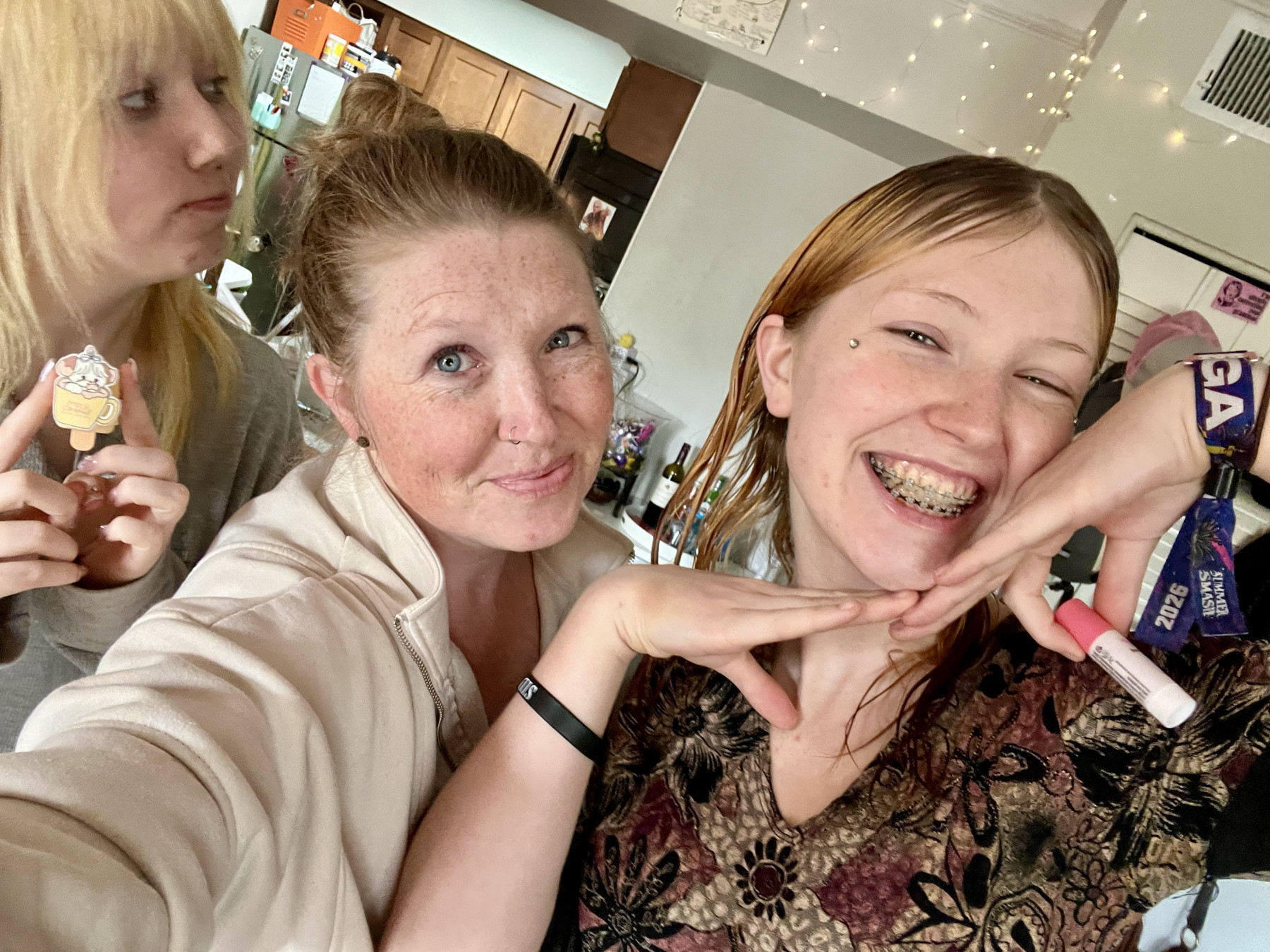
Sunday 21 June: 🥾 Hiking church. Warm but pleasant.
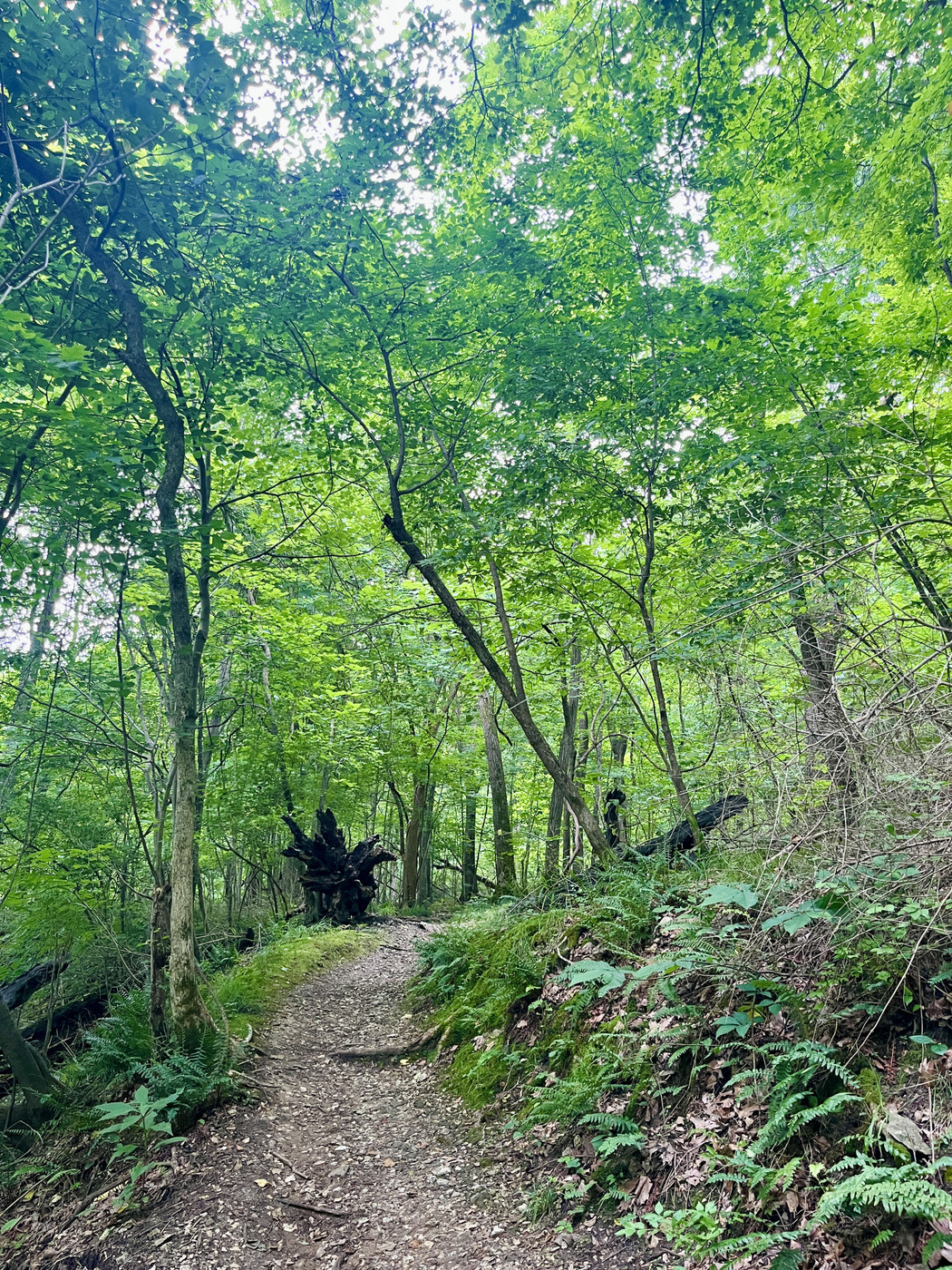
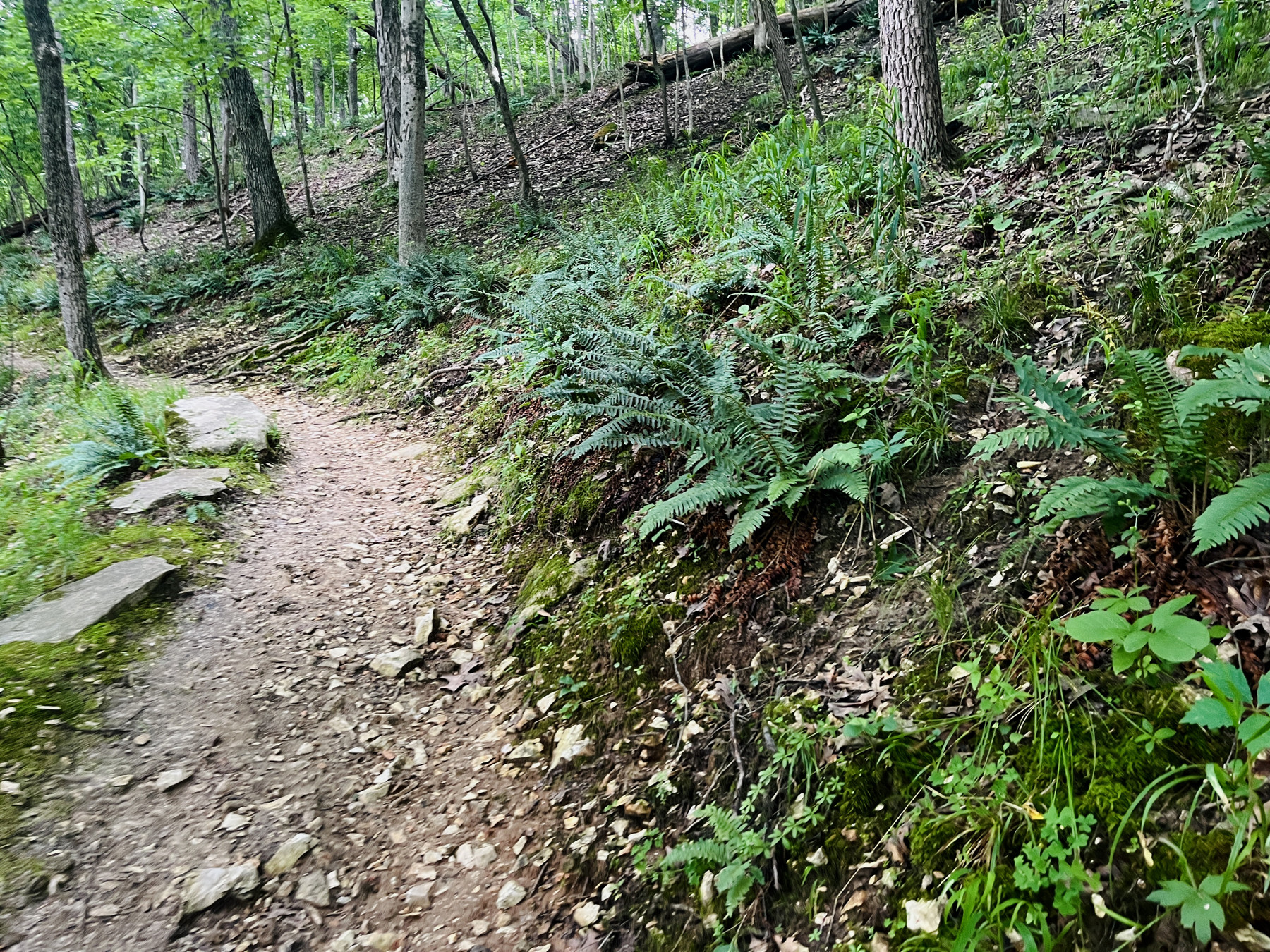
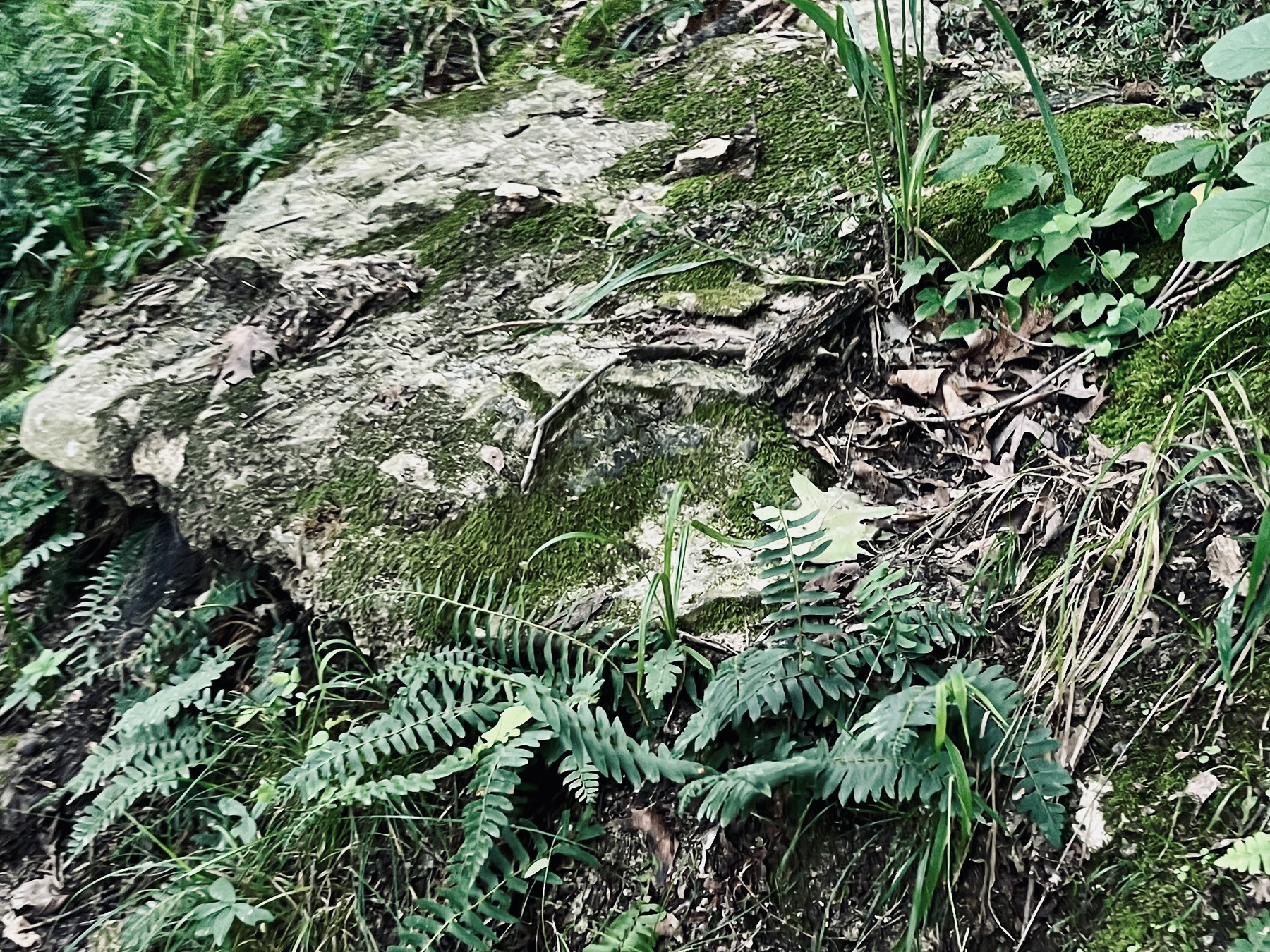
Sunday afternoon, a huge storm rolled through and it rained for a long time. So cozy.
Some other stuff happened, probably. I can’t remember at the moment. It’s not important. I need to go memorize the skeletal system now. 🩻
2026-06-19 10:33:47
Gentle
A gentler world begins
in the way you touch your heart.
Be soft with the light inside you.
Caress your body with this breath.
God is nothing else
but the place where the sun comes up
in your chest.
You are the glimmering destination.
You are the golden honey daubed
on the bread of the ordinary.
Whatever is perfect,
whatever is heavenly,
begins here.
— Fred LaMotte
Do not bargain to be loved.
Do not negotiate.
When love is withheld as a punishment, as a manipulation, as a means to move you in a certain direction: Do the worst and most difficult thing and quit asking for it. Withdraw your hand, put it in your pocket. Clamp your mouth shut, let your silence swell, do not ask for explanations.
It's already been explained.
Love is not contractual. Love does not have terms you must fulfill before you get to have it.
Love exists and is made apparent in all situations where it is present.
If it is not apparent — if you cannot feel it, hear it, and see it in action — it is not present.
This seems like a harsh rule but it is the only rule of love.
Love is not confusing. Love is clear. Love is simple. Love is obvious. Big as the sky, sturdy as a mountain. Brave and honest, tender and unrelenting.
You don't have to poke around in dark corners asking, Is it here? Is it here?
You don't have to dig for love until your fingers bleed. You don't have take apart some sharp-edged thing to get at the gooey love-filled center.
Love doesn't hide. Love appears and stays. Love is present.
When you're loved, you know it. You feel it. It opens you up. It blesses you with spaciousness and closeness, with freedom and safety, equal measures. You don't have to choose one and lose the other. Love does not offer you a half. Love is the whole.
Do not bargain to be loved.
Here are some things that are not love:
Affection
Agreement
Attention
Attraction
Compliments
Apologies
Gifts
Sex
Love may express itself in those ways. Love may give you affection, attention, all of the above. Wonderful.
Love can bring you these things, but it does not hold a monopoly.
Agreement can come from avoidance of conflict.
Attention can come from jealousy.
Affection can come from loneliness.
Compliments can come from a need to please.
Gifts can come from guilt.
Love is not transactional. Love is not a handful of coins in your pocket, spend one here, spend one there, save some up for a rainy day.
Love does not run out. Love is self-created, self-fulfilling, endless supply.
Love is active generosity. Love is splendid, exorbitant kindness. Love cannot be measured or doled out in small bits, cut into smaller slices.
When someone tries to love you this way, here is the explanation (take a deep breath):
What they offer you is not love.
They offer you something, to be sure. But it is not love.
If love is what you want, don't bargain for what is not love.
Some people want to love but don't know how. Or they want to get love, but don't know how to give it.
You don't teach them by accepting not-love and pretending it is love.
You can show them by knowing what love is and being it, best as you can: Being clear, being simple, being obvious.
Not accepting half-truths or hiding. Not equating affection with love, apologies with love, attention with love. Not being pulled into transactions. Not being backed into a corner. Not making yourself smaller. Not agreeing when you don't agree. Not tolerating what you shouldn't tolerate.
Clear, simple, obvious. Big and sturdy. Brave and honest, tender and unrelenting.
Even when saying goodbye.
2026-06-18 10:44:37
As long as you keep secrets and suppress information, you are fundamentally at war with yourself…The critical issue is allowing yourself to know what you know. That takes an enormous amount of courage.
― Bessel A. van der Kolk
What we live through, what we experience, how we navigate a life that is one unknown after another, how we keep breathing in the midst of pain, how we learn to carry suffering, how we open our arms to each other, how we offer comfort in the face of tragedy: none of it really makes sense.
How we look forward with hope, how we keep functioning without hope, what we do when it feels like there’s nothing to hope for, when meaning is lost, when it would feel nice to have the earth open and swallow us whole…
How we find small things to delight in, how we notice a good thing in the middle of a shitstorm, how we put our heads down and plod forward through despair, how we tilt our faces toward the sun, how we park the car and get out and shut the door and check the mail and walk inside when our minds can’t imagine why we’re doing any of it and our hearts are howling, screaming, shattering…
How we make art, how certain things become sharper, how we accept one another’s discomfort, how we make room for each other’s pain, how we read a poem or a comic or watch a show or stare out the window, how one story might pull us under but another story might be what saves us…
Bukowski said, What matters most is how well you walk through the fire, and what we didn’t realize is that it’s all fire, all the time, and how we walk through it is how we live, how we keep living, because love is a fire, love is as strong as death which means sometimes, a lot of times, we live through things that seem likely to kill us.
The mystery is you and how you are here, right now, slamming your hand in frustration, yelling, cursing, sobbing, retreating into silence, considering violence, burdened with helplessness, pacing and exhausted, uncertain and trembling, numb with detachment, shaking with anger, frozen in shock, shaking with grief, panicking, breathless.
It’s extraordinary — the way you breathe, the way you keep breathing. The way you question yourself, the way you smile, the way you let tears roll down your face, how you peer through the flames to see colors and light.