MoreRSS

site iconTMT | 钛媒体修改

成立于2012年,致力于打造全球领先的财经科技信息服务平台。
请复制 RSS 到你的阅读器,或快速订阅到 :

Inoreader Feedly Follow Feedbin Local Reader

TMT | 钛媒体的 RSS 预览

具身智能时代,谁将成为下一个“中国巴菲特”?

2025-12-06 09:00:00

问 | 明晰野望,作者 | 洛苏

谁能想到,人形机器人最先跑通的变现场景竟然是“短视频”。

随着消费级人形机器人的价格不断下探,赛博“保姆”进家胡闹的剧本成为新一届的流量担当。它们端菜时径直略过桌子、散步时精准袭击主人、偶尔还任性“探草”等骚操作,可谓是“句句有回应、事事无着落”。这让一众乐子人忍不住调侃,“觉得不忙的朋友可以买回家添乱了 ”。

赛博“显眼包”为互联网贡献了无数笑料,但笨拙的操作背后,是机器人产业从实验室走向真实落地的长征第一步。

IT桔子数据显示,2025年前8个月,我国机器人领域一级市场融资额已达386.24亿元。全球知名咨询公司贝恩也在11月26日的报告中,大胆预测未来十年人形机器人将重塑工业生产,深刻影响商业服务和家庭生活。

在这场充斥着技术光环与商业竞争的科技盛宴中,全球投资机构的重金押注究竟是“用爱发电”的豪赌,还是再造投资奇迹呢?

从“大脑”到“指尖”:万亿赛道的价值锚点

在“造人”这件事上,中美两国正走出两条截然不同的路。

在美国,以硅谷那帮技术极客为代表的企业更痴迷于打造无所不能的“超级大脑”,他们坚持“技术驱动”的高端路线,信奉“技术突破-生态构建-场景渗透”的逻辑。马斯克的特斯拉Optimus直接把自家汽车的FSD自动驾驶技术“移植”过来,让机器人学会在复杂环境里自己“看路”;初创科技公司Figure AI则搞出了一个叫Helix的大模型,试图统一机器人的感知、语言理解和学习控制技能。

这一发展方式看似一劳永逸,也符合科幻片中机器人觉醒的发展路径,但研发成本高得吓人,不少产品的落地时间表被一再拉长。

拥有强大供应链和丰富应用场景的我们,则选择了“硬件先行,场景落地”的务实路线。凭借世界工厂的底蕴,中国机器人企业以惊人的速度和成本优势把机器人的“身体”造出来,投放到各种场景里去“试错”和迭代,在不断完善的生态中寻找专属价值锚点:

AI大脑是机器人产业链的“灵魂”所在,整个产业不再满足于只能执行预设程序的“提线木偶”,而是期待能自主决策、自我学习的“钢铁侠”出现,而要打造真正的“钢铁侠”,仅靠现有的大模型还不够。基于此,世界模型的重要性逐渐成为业界共识。

它不再是通过学习海量数据中的知识成长,而是能够在自己的“脑海”中构建与物理世界高度相似的虚拟沙盒。当机器人需要拿起一颗生鸡蛋时,它会在这个“沙盒”里预演千万次以确定角度与力度,这种在行动前进行高效推演和规划的能力,就是机器人的“想象力”。

拥有了世界模型,机器人才能够应对无穷无尽的未知场景,正是基于这种对终极智能的向往,优必选、智元机器人等中国企业才会在AI大脑领域奋起直追。

而当终极大脑仍在进化时,中国企业也展现出了其务实的另一面——从皮肤、指尖到筋骨,率先攻克机器人“身体”的落地难题。

要替代人力,首先要让机器人拥有一双能感知、会干活的灵巧手。无论是在3C电子产线上插拔柔性线缆、还是在家庭中安全地递上一杯水,都离不开敏锐的“触觉”和灵活的“指关节”。

为此,一目科技研发出全球最薄仿生视触觉传感器,为机器人装上了接近人指尖的“皮肤”;而灵心巧手推出的Linker Hand系列灵巧手,则将数万元的灵巧手成本拉至千元级,凭借超越人手的运动能力和极致性价比,占据了全球超80%的市场份额。

灵巧的“手”也需要强壮的钢铁筋骨来驱动,作为占整机成本超55%的最烧钱部分,关节模组的成本直接决定了机器人能否大规模普及吗,让机器人在拥有强大力量的同时保持动作的精准和低能耗,是所有厂商的终极考验。

在这场成本“拔河”中,灵足时代将一体化关节的物料成本砍掉六成,而上市公司双环传动则把核心部件RV减速器的价格做到了海外同类的60%左右,为机器人的最终量产铺平了道路。

凭借高性价比,它们的产品已快速进入多个国家和地区的头部机器人厂商供应链,成为打造新一代人形机器人与协作机器人的关键组件。

从“大脑”的算力追赶、“皮肤”的触觉突破,到“灵巧手”和“关节”的成本革命,中国企业正以务实的姿态将人形机器人从实验室“奢侈品”拉下神坛,变成触手可及、有望大规模部署的工业消费品。

这也正是资本闻风而动,敢于在这条赛道上重金下注的底气。

资本“组队”下场,能否复现投资奇迹?

机器人产业看似热闹,却也是一场高投入、长周期、高风险的“豪门游戏”。这种高门槛筛选出了具备远见的“耐心资本”,他们并非盲目追高,而是通过“雪中送炭”式的长期陪伴和全方位的生态布局,试图在产业爆发前夜系统性地捕获价值。

以红杉资本、经纬创投为代表的专业风投机构扮演的是“梦想捕手”。在人形机器人风口还未起的2022年前,这些机构就出资支持了宇树机器人的研发,步入风口期后,它们的相关投资规划也越来越清晰。

2024年,经纬创投领投了星尘智能的Pre-A轮融资;2025年11月12日,它还参与领投了上海萝博派对科技有限公司的种子轮融资。

红杉资本的打法,像玩拼图一样系统性地布局整个产业链。

从“大脑”领域的智元,到“手”领域的灵心巧手,再到“脚”领域的灵足时代,2025年红杉的投资组合几乎覆盖了所有人形机器人的核心环节,这种“打法”意图捕获整个产业链的价值,无论未来哪个环节率先爆发都能分得一杯羹。

不仅是专业的风投机构,腾讯、阿里等互联网科技公司也是机器人产业中的“耐心资本”。比如,二者共同押注的云迹科技,旗下服务机器人如今已成为酒店赛道的“宠儿”。前几年酒旅行业被按下“暂停键”,正是这些“耐心资本”的加持,让云迹科技等行业独角兽有了更多容错空间

如今随着经济转向、酒店开始大规模引入机器人来降低人力成本,云迹科技的订单迎来爆发式增长,并在10月16日顺利上市敲钟、市值近百亿港元。

产业资本不仅带来了资金,更带来了丰富的应用场景和资源支持。在宇树科技2025年的C+轮融资中,腾讯以8.25%持股比例成为其新晋股东。此外,腾讯投资的速卖通平台成为宇树海外销售主渠道。

11月20日,星动纪元完成了由吉利资本领投的10亿元融资,转身就把自家机器人送进了吉利的汽车工厂;美团、阿里云联合投资自变量机器人,瞄准的则是其在智能家居和工业、物流等领域的巨大潜力。

这种模式既为创业公司提供了宝贵的应用场景和现金流,也为这些企业提前锁定了未来的技术和供应链。

而在国家将“具身智能”写入政府工作报告和“十五五”规划的大背景下,以深创投为代表的“国家队”资本则扮演了“领航员”的关键角色,他们的投资逻辑与国家战略高度绑定,更注重产业链的安全与“卡脖子”技术的突破。

近三年,全国3331家投资机构参与了人形机器人项目的投资,其中深创投以 41次投资位列榜首;11月17日,北京人形机器人创企加速进化完成新一轮超亿元融资,其中不乏亦庄国投、深创投集团等国有资本的身影。还有六维力传感器领域取得突破的柯力传感、致力于打破柔性电子皮肤材料进口依赖的一目科技,都符合“国家队”的投资画像。

资本市场热火朝天,但冷静声音与尴尬阵痛也从未缺席。11月27日,国家发改委在发布会上呼吁,人形机器人企业要注意防范重复度高的产品“扎堆”上市、研发空间被压缩等风险。

产业端,宇树科技创始人王兴兴曾在采访中直言,近几年让机器人去家里干活不现实;优必选发布的人形机器人量产交付视频也一度引发造假争议,逼得公司不得不放出一镜到底的视频自证清白。

而在大洋彼岸,曾被寄予厚望的硅谷明星机器人公司K-Scale Labs的倒闭,更告诫了所有从业者,没有持续的现金流和可行的产业化落地路径,再宏大的愿景也终究是空中楼阁。

机器人漫长的进化之路需要“耐心资本”持续输血,而资本的万亿押注也同样需要机器人兑现承诺、尽快落地。对国产人形机器人产业来说,只要双方携手共进,令人爆笑的赛博“显眼包”终将蜕变为无所不能的传奇“钢铁侠”。

到那时,我们见证的将不仅是技术的胜利,更是一场消费者、极客与资本皆大欢喜的造富神话。

更多精彩内容,关注钛媒体微信号(ID:taimeiti),或者下载钛媒体App

豆包不必这么匆匆忙忙

2025-12-06 08:00:00

文 | 最话FunTalk,作者 | 林书,编辑 | 杨磊

豆包决定还是往回收一收。

12 月 5 日,豆包手机助手团队发布《关于调整AI操作手机能力的说明》表示:豆包手机助手将限制AI在刷分、刷激励场景的使用;暂时下线AI操作银行、互联网支付等金融类App的能力,并计划与相关厂商沟通共建安全操作准则;部分涉及竞技排名的游戏场景,AI操作能力也将暂时下线。

豆包手机助手团队表示,这“为在技术发展、行业接受度和用户体验之间做好良性适配”,算是对这两天的争议做了调整。

不得不说,这款由字节旗下豆包团队与中兴通讯联手推出的nubia M153工程样机,是近期机圈热度最高的手机,官方售价3499元,二级市场被炒到了上万,其搭载的豆包手机助手技术预览版,嵌入底层操作系统,可实现与系统的深度交互。

这不就是iPhone 搭载的Siri 梦想中的自己嘛,Siri 没做成的事,让豆包尝鲜了。

其实最开始,我是有些疑虑的,毕竟之前字节做硬件,都让人有种虎头蛇尾的感觉:坚果手机想做抖音入口,TikTok Lite手机是为了预装TikTok,Pico VR是为押注元宇宙。所有硬件,在字节这里似乎都是“手段”,不是“目的”。一旦战略重心转移(比如元宇宙凉了,AI热了),那些硬件立马边缘化。

用户能感受到这种“工具感”——你不是真心想做好一台个硬件,你只是想让我用你的服务。所以现在推出AI手机,我一开始觉得又是为了推豆包大模型、抢系统入口。

但当我深入了解了豆包手机助手的技术细节和战略意图后,我意识到,这可能并不是又一次“机会主义”的尝试,而是字节真的想“另起一套规则”。

如果真的成功,字节就能走向“任务执行”的深水区,从“内容帝国”变成智能服务的一个环节,从而真正摆脱对流量曝光的依赖,在实体经济站稳脚跟,成为中国互联网真正的一极。

只是这次尝试注定会引起种种争议,豆包往回收一收是必然的,甚至可以说,豆包本可以不必这么匆匆忙忙。

一场豪赌:“AI原生手机”野心

从技术层面看,豆包手机助手的核心创新在于让AI“住进”了手机操作系统的底层,而不是简单地作为一个应用层的工具。这种“像人类一样操作手机”的能力,意味着它可以真正跨越不同应用之间的壁垒,自动完成从订餐、比价到发消息的各种复杂任务。

值得注意的是,这是首个豆包和手机厂商在操作系统层面合作的手机AI助手,其核心在于让AI直接控制系统、跨App执行任务、与硬件按键深度联动。

豆包手机助手能够在豆包App的基础上,和手机厂商在操作系统层面深度整合,具备视觉感知、长期记忆和操作能力,代表了AI原生手机的实际形态。

关键的是,豆包这次选择与中兴通讯合作,推出nubia M153工程样机,而不是自主开发硬件。官方明确表示,豆包并无自主开发手机的计划,目前正与多家手机厂商推进合作。

在测试视频中,我们可以看到豆包手机助手能够自动比价下单、调用优惠券、完成跨平台支付等操作。然而,这些看似酷炫的功能背后,是对用户操作习惯和敏感信息的深度监测。

豆包手机助手目前很大程度上依赖于“读屏”技术——也就是让AI盯着用户手机屏幕,观察用户在微信聊什么、支付宝余额多少,然后模拟用户点击操作。这种方式确实能实现跨App的功能整合,但其中蕴含的隐私风险,却让相当一部分用户心生忐忑。

有用户直接评论道:“各种敏感信息不光手机厂商知道了、字节也知道了,比如微信的通信录,吓不吓人?”

尽管其他手机厂商,也在推动自动化的手机Agent技术,但这里的一个关键在于:由于小米、荣耀、vivo的核心版图在硬件方向,不像字节那样重度依赖广告和跨平台数据变现,因此没有“原罪感”,让用户觉得自己的行为数据会被用于广告推荐等。

所以当豆包说“我要做一个为你服务的AI”,大家第一反应不是相信,而是怀疑:“这背后是不是又一个更高级的收割机制?”

毕竟从整个字节的商业模式来看,一个能跨App自动帮你订机票、买手机、订餐厅的AI Agent,最有可能的盈利模式,就是在比价和推荐环节嵌入自己的商业利益。比如你让AI“找个便宜又靠谱的笔记本”。

而在用户看来,传统硬件厂商没有这种动机,用户对它们的想象边界,就是“做一台好手机”,不会觉得它要监测自己的数字生活。

在这样热议中,人们对豆包手机AI的评价,也呈现了两极分化的态度:一方面认为其是打破了“APP孤岛”的技术先锋、开启AI OS时代的革命者,另一方面则认为,豆包这是“以AI犯禁”,表现出了对隐私的强烈担忧。

生态孤岛:当巨头们不愿开放城门

如果说技术层面的挑战还可以通过产品迭代来解决,那么生态层面的壁垒,则是字节面临的真正难题。

微信、淘宝、美团会乖乖开放接口,让豆包AI随便调用吗?

答案大概率是否定的。

就在豆包发布AI手机后不久,网上就传出了用豆包操作微信时,微信会强制退出登录的现象。

随后,淘宝、中国农业银行、中国建设银行等 APP 陆续出台针对性风控措施,出现豆包 AI 助手无法登录、无法完成支付等情况,外界普遍认为,这是上述 APP 针对豆包 AI 助手跨应用操作的反制

尽管事后豆包发文声称,豆包手机助手是经过用户授权,才能完成操作手机的任务,支付环节、身份验证等,任务会暂停,并由用户人工接管完成相关授权,然而,豆包“以AI犯禁”的讨论已然开始发酵,腾讯不能忍受微信被管道化,多半会以安全为名来处理。

从技术角度深入分析豆包的这种”系统性”,这个“系统级”AI的核心,其实就一个词:INJECT_EVENTS权限。

INJECT_EVENTS是Android系统里最顶级的权限之一,相当于给了AI一把“万能钥匙”。 普通App(比如抖音、微信)根本拿不到这个权限,因为它能模拟真实的手指点击、滑动、输入——就像有个看不见的人在替你操作手机。

这个权限有个硬规矩:必须用手机厂商的系统私钥签名才能启用。

简单说,就是中兴作为手机厂商,在系统底层给豆包开了张“路条”,用自己的“官方印章”给豆包APP盖章认证,让它获得了超越普通APP的权限。

事实上,除了努比亚这种市场份额较低的厂商,有可能会与豆包进行这样深度的,让渡系统权限的合作外,大部分手机厂商都有自己AI战略,不太可能与豆包做出这种系统级的让步。

例如,华为在2025年全面升级了小艺助手,推出端侧大模型+云端大模型的双引擎架构。小米的小爱同学升级到了6.0版本,能够实现跨应用操作和自动化任务执行。

OPPO的小布助手获得系统级权限,支持语音控制拍照等核心功能。vivo的Jovi发布了智能体2.0版本,具备了记忆用户习惯和主动服务能力。

虽然从技术上说,荣耀的YOYO,以及智谱推出的AutoGLM,也做到了系统级整合,以及相应的自动化操作,例如自动点咖啡、在微信发红包等等,但其中的关键区别在于“厂商做AI” vs “互联网巨头造手机”,故事性质完全不同。

荣耀是手机厂商,推AI Agent,用户觉得就像特斯拉推自动驾驶——天经地义,是本职工作,但字节作为中国最成功的注意力经济公司,它的算法、推荐、广告模式,已经被无数“友商”研究、提防。

一旦字节声称“我要做一个为你服务的AI”,哪怕只是试水3万台,也被“友商”们看作对现有互联网秩序的一次试探性进攻。

这种”城门失火,殃及池鱼”的担忧,会使得字节的开放生态战略面临着巨大的阻力。

破局机会:用户痛点与技术的东风

然而,绝境中也并非没有机会。豆包的这次尝试最大的价值在于,它敏锐地捕捉到了当前移动生态中用户最大的痛点。

现在的手机使用体验中,各种开屏、植入广告对人们造成极大干扰,点个APP要跳过5秒开屏广告,各种APP间的跳转,用户体验非常差。

而且某些广告、优惠的关闭图标(就是那个小”X”),有时候真的很小,很难点,想关闭却一不小心就点开了。

正是这种“割裂+骚扰”的体验,构成了豆包AI手机最可能撬动用户需求的缝隙。

如果豆包手机AI真能做到自动下单、比价,使用户跳过开屏广告;自动填写砍价链接而不强迫你分享;甚至把多个平台的优惠自动聚合——那它就是在减掉噪音、减掉数字生活里的琐碎摩擦。

这种“省心又省眼”的体验,恰恰是当前安卓/iOS生态最缺的,就连 Siri 也做不到。

在我看来,ANP(Agent Network Protocol)协议可能是字节跳出当前生态困局的关键破局点。

2024年,ANP协议开源技术社区提出了这个概念,目标是为数十亿智能体建立统一的连接方式。ANP的愿景是构建一个开放、安全、高效的智能体网络,允许任意两个智能体进行无缝通信和协作。

ANP协议的技术原理,类似于互联网的HTTP协议,它定义了智能体之间的通信标准和数据格式。

举例来说,如果每个AI应用都有一个独特的“智能体ID”,那么当豆包手机助手想要调用微信功能时,不需要直接读取微信的界面,而是向微信的智能体发送标准化请求指令,避免了隐私窥探,让不同智能体之间实现”标准化合作”。

这样一来,即使腾讯、阿里以及其他大厂,都在自己的生态内建立了专属的Agent,大家也不会再次陷入“APP孤岛”的状态,而是可以通过标准的ANP协议互相调用对方的功能。

如果ANP协议真的能够成为行业通用标准,那么所有App按规矩开放接口,字节这步棋就真的活了。

但现阶段,豆包还是别太急,与其单兵冒进,不如全行业坐下来,好好研究确立标准,达成互联互通的协议。

在这场“AI原生系统”竞赛的开始,在技术快速迭代的同时,豆包仍更需要仔细打磨和做好隐私保护。在技术、用户体验和生态之间找到平衡点,同时思考怎样在巨头们的严密防守中撬开一道裂缝,才不至于会“犯众怒”。

毕竟,技术是冰冷的,但社会是有血有肉的。当代码撞上人心、算法碰上信任,摩擦在所难免——而真正的创新,不在于跑得多快,而在于能否在摩擦中走出一条被接纳的路。

更多精彩内容,关注钛媒体微信号(ID:taimeiti),或者下载钛媒体App

Musk's X Receives First EU Fine Under Digital Services Act

2025-12-06 02:41:06

Elon Musk's X social network received the European Union's first penalty under the Digital Services Act (DSA)—a €120 million ($140 million) fine that, while lower than anticipated, marks a significant escalation in transatlantic tensions over tech regulation and free speech.

AI Generated Image

AI Generated Image

The European Commission concluded that X's paid verification system misled users, the platform blocked researchers from accessing public data, and it failed to establish a proper advertising repository. Regulators opted to base the fine on proportionality principles rather than revenues from Musk's broader business empire, which they had previously considered targeting.

The decision drew swift condemnation from U.S. officials. Vice President JD Vance declared, "The EU should be supporting free speech not attacking American companies over garbage," while FCC chair Brendan Carr charged that "Europe is fining a successful U.S. tech company for being a successful U.S. tech company."

Though the fine represents a tiny fraction of Musk's $467 billion wealth, the move underscores deepening divisions between the U.S. and EU over digital sovereignty, content moderation, and fundamental rights in the internet age. X has 60 days to propose solutions and 90 days to implement changes or face additional penalties.

Blue Tick Deception at Core of Violations

The Commission found X's verification system—which allows anyone to purchase a blue checkmark through its Premium subscription—deceives users by failing to meaningfully verify account authenticity. "Deceiving users with blue checkmarks, obscuring information on ads and shutting out researchers have no place online in the EU," said Henna Virkkunen, the EU's executive vice-president for tech sovereignty, security and democracy.

The paid verification system, implemented after Musk acquired Twitter in late 2022, marked a departure from traditional social media verification that requires proof of identity. To obtain a checkmark under X's system, accounts need only a display name, profile picture, confirmed phone number, and 30 days of activity. The Commission argued this "deception exposes users to scams, including impersonation frauds, as well as other forms of manipulation by malicious actors."

X must now present solutions for bringing its practices into compliance with EU laws or face periodic fines.

Proportionality Over Revenue-Based Penalties

The €120 million fine was calculated based on "the nature of these infringements, their gravity in terms of affected EU users, and their duration," according to the Commission. This approach represented a significant departure from earlier indications that regulators might calculate penalties based on revenues from Musk's entire private business empire.

Under the DSA, which took effect in 2023, the EU can impose fines up to 6% of yearly global revenue for violations. SpaceX, the largest component of Musk's private holdings, has projected 2025 revenue of $15.5 billioin, compared to X’s expected $2.3 billion in advertising sales, according to Emarketer.

The Commission official said the fine would be delivered to Musk and xAI, his artificial intelligence (AI) lab that acquired the X platform earlier this year. Musk has previously indicated he intends to challenge any fine in court, which could delay payment for several years.

Ongoing Investigations and Broader Implications

The Commission's investigation began in December 2023, examining suspected failures to combat disinformation and content manipulation, including "in the context of Hamas' terrorist attacks against Israel." The DSA probe into X's handling of illegal content, election disinformation, and use of Community Notes has not yet reached the preliminary findings stage and could result in additional future fines.

"This has nothing to do with censorship, this is about transparency," Virkkunen said at a Friday briefing, adding that the precedent will help accelerate future investigations. "It took time because our teams wanted to make sure that we had a strong legal basis."

The EU is also investigating several other major U.S. tech firms—including Apple Inc., Alphabet Inc.'s Google, and Meta Platforms Inc.—under the DSA and Digital Markets Act. The bloc recently fined Apple and Meta €500 million and €200 million respectively under its digital antitrust rules, and has issued more than $8 billion in fines against Google and a €13 billion tax order against Apple under traditional competition law.

U.S.-EU Friction Over Digital Regulation

The case has taken on heightened political significance as Musk backed U.S. President Donald Trump's campaign and served as close adviser to the president as head of the so-called Department of Government Efficiency for several months at the start of Trump's current term. The probe comes after months of intense pressure from Trump, who has repeatedly attacked the bloc's fines and regulatory approach toward American tech companies.

Before the fine was announced, X posted in April that if reports of enforcement actions were accurate, "it represents an unprecedented act of political censorship and an attack on free speech." The company stated it had "gone above and beyond to comply with the EU's Digital Services Act" and would "use every option at our disposal to defend our business, keep our users safe, and protect freedom of speech in Europe."

The European Commission has maintained its laws do not target any nationality and that it is defending its digital and democratic standards. Virkkunen emphasized future DSA decisions on companies charged with violations are expected to take less time than the two years required for the X case.

更多精彩内容,关注钛媒体微信号(ID:taimeiti),或者下载钛媒体App

Lessons from Three Tech Bubble Bursts: How to Escape the "AI Bubble"?

2025-12-05 21:35:02


Over the past two months, there has been a growing concern in the market about a so-called "AI bubble."

A few days ago, Polymarket, the world’s largest prediction platform, has launched a betting market on “When will the AI bubble burst?” The indicators they listed include a 50% plunge in Nvidia’s stock price, OpenAI or Anthropic declaring bankruptcy or being acquired, and semiconductor ETFs dropping by 40%. The results showed that 15% of participants believe the AI bubble will burst by next March, while 40% think it will happen by the end of next year.

This shows that many people have shifted from being optimistic to more cautious about AI’s future.

Concerns about the prospects of AI are based on a number of signs.

First, valuations of tech giants involved in AI have soared too rapidly.

According to research by CICC, since ChatGPT ignited the AI wave in 2022, the so-called “Magnificent Seven” in the US stock market—including Microsoft, Nvidia, Amazon, and Google—have risen by as much as 283%, far outpacing the 69% gain in the S&P 500 excluding these companies over the same period.

The same is true in China. Companies like Alibaba, Tencent, SMIC, Horizon Robotics, and Cambricon have all seen impressive gains.

Second, AI infrastructure spending is unleashing a “spending frenzy,” which could lead to overinvestment.

UBS statistics show that AI-related spending is expected to reach $375 billion this year, and exceed $500 billion next year. However, current revenues in the AI sector are nowhere near matching such huge investments.

Researchers have calculated that the current AI industry’s capital expenditure to revenue ratio is 6:1, much higher than that of previous tech bubbles (2:1 for the railway bubble, and 4:1 for the dot-com bubble).

Third, AI companies are playing a “left hand to right hand” game among themselves.

AI companies are investing in each other, effectively creating an internal revenue loop. For example, Nvidia invested $2 billion in xAI, which in turn borrowed $12.5 billion to buy Nvidia chips; Microsoft invested $13 billion in OpenAI, which then committed to spending $50 billion on Microsoft’s cloud services, and Microsoft subsequently purchased $100 billion worth of Nvidia chips.

This "supplier financing" model is blurring the boundaries between customers, suppliers, and investors—a scenario that also emerged during the internet bubble era. For instance, Cisco once financed its customers (telecom operators) to purchase its own equipment, enabling large-scale construction of fiber optic networks, which created artificial demand that resulted in massive idle capacity and eventually triggered a collapse of the entire industrial chain.

As a result, many people now believe that the current "AI bubble" is strikingly similar to the internet bubble of the late 1990s. Even industry leaders such as Microsoft founder Bill Gates, Google CEO Sundar Pichai, and OpenAI CEO Sam Altman have acknowledged the existence of a bubble and have compared its potential risks to those of the internet bubble.

So, how should we view the "AI bubble"?

Lessons from Three Burst Tech Bubbles

"Bubble" itself is actually a neutral term; it isn’t inherently negative. Every wave of technological innovation inevitably comes with bursts of investment and entrepreneurial enthusiasm. In fact, it’s often these seemingly "wildly imaginative" impulses that drive industrial progress forward.

However, when more and more people get involved and become overly optimistic about technological innovation, and as small-scale experimentation scales up to mass adoption, things can easily become disconnected from reality. This allows the bubble to inflate unchecked and eventually morph into a systemic risk that can no longer be avoided—concealing deep-seated dangers.

Therefore, the key is to recognize what stage the bubble has reached and how to identify the risks hidden within.

Mark Twain once said, “History doesn’t repeat itself, but it often rhymes.” This is especially evident in technological revolutions: every major disruptive innovation almost inevitably comes with a bubble and a subsequent crash. While the technology itself may achieve great success, behind the scenes, countless investors see their assets vanish.

The steam age had its own canal and railway bubbles.

After Britain launched its industrial revolution in the 18th century, factories and mechanized production began to emerge, but trains had not yet been invented. During this period, cargo shipping was handled primarily by barges, prompting a frenzy of canal construction in Britain. Vast amounts of capital and manpower were invested, and canal stock prices soared. However, canals required lengthy operational cycles to recoup investments, making them high-risk undertakings. In the end, railways did not give canals the time to succeed, gradually displacing them and ultimately causing canal stock prices to collapse.

Similar to canal investments, railways were touted as the “lifeblood” of the new industrial era after their emergence. Massive amounts of capital poured into the British railway industry, and many even leveraged themselves to invest. As a result, rail lines were laid everywhere—even in remote, impoverished areas with no matching commercial capabilities to support them. The industry’s overall rate of return kept declining, with actual revenues amounting to only a quarter of what builders had expected. This made it impossible to support the dramatically inflated stock prices. On top of that, a shift from loose to tight monetary policy abruptly brought this speculative frenzy to a halt.

In the electrical era, investment booms in aviation, automobiles, and electric infrastructure also triggered localized crises. A considerable number of investors suffered heavy losses in these technological revolutions because the path from the emergence of a technology to wide-scale adoption requires long and uncertain exploration of both technological direction and business models. Most people found it much easier to fall into traps than to seize genuine opportunities.

Take the automobile industry, for example. The dominant technological path was unsettled at first, with three main power solutions emerging: improved steam engines, electric motors, and gasoline engines. While we now know that gasoline cars ultimately prevailed, at the time, the more mature steam technology and the seemingly more promising electric motors occupied most of the market share.

Now, even if you had correctly identified gasoline-powered vehicles as the future and focused your investments on companies adopting that technology, the car industry was soon thrust into a phase of cutthroat competition. At its peak, there were hundreds of automotive manufacturers in the U.S., with over half surviving less than six years.

Even if you managed to spot then-fledgling industry titans like General Motors and Ford among so many companies, you’d still have needed to invest at the right time and sell at the right moment. General Motors alone nearly went bankrupt twice in the early 20th century—many investors gave up too early and missed its eventual resurgence. However, during the Great Depression, even General Motors and other car stocks experienced a sharp crash; those who missed the window to sell got caught out yet again.

The information age gave rise to an unprecedented bubble, which burst around the year 2000. Afterward, it took more than a decade for most stock markets to finally recover from the shadows of those losses.

Why was the damage so severe this time?

A major reason is that, during the internet bubble, the practice of disregarding dividends and cash flow as core indicators of company performance was taken to the extreme.

Investors were overly optimistic about the disruptive power of the internet, firmly believing that it would completely overturn traditional business models. Looking back, the internet certainly has been disruptive, but back then, viable business models had yet to emerge. Netscape, which made money selling browser licenses, and Yahoo!, a web portal, were seen as benchmark companies, and their stock prices soared by several multiples.

At the time, traditional valuation methods were cast aside. The yardstick for valuation gradually shifted from profitability to revenue, and then from revenue to concepts like website traffic and projected revenues for the next few years.

As a result, even some fledgling companies with no established business could command sky-high valuations. Sometimes, all it took was a business plan with an “e-” at the front and a “.com” at the end to secure tens of millions of dollars in real investment.

Of course, excessive optimism about new internet technologies was only one key driver of the bubble. Other factors contributed as well.

For example, at the time, interest rates in the US were quite low, and hot money from the Asian financial crisis flowed into the market, making liquidity abundant.

There was also a psychological aspect: as Robert Shiller pointed out in Irrational Exuberance, by the late 1990s, the internet had already entered people’s homes, providing richer entertainment and information than ever before. It wasn’t just investors who were extremely optimistic; ordinary people were as well. Many attributed economic growth from the recovery to the internet, this dazzling new star, believing it really was the engine of new economic growth—even though most internet companies at the time weren’t making much profit.

Additionally, the U.S. economy was the lone bright spot globally: the Soviet Union had dissolved, Japan’s economy was in the doldrums, Asia was facing a financial crisis, but the US economy was growing. All of these were seen as huge positives for the US stock market. Investing in US stocks was, for many people, as foolproof as investing in real estate had seemed a few years earlier: a surefire way to make money with no risk of loss.

New internet technologies and the U.S. stock market together attracted massive attention, sparking a booming expansion. Internet stocks became incredibly sought after, with Wall Street continuously launching IPO projects to satisfy the public's demand for internet shares.

The stock market bubble didn’t seem to sizzle—it burst all at once. On March 10, 2000, the NASDAQ hit a record high. Just days later, major internet companies released their financial results, which largely fell short of expectations, leaving investors feeling uneasy. At that time, Barron’s published a report pointing out that among more than 200 surveyed internet companies, 71% were unprofitable, and 51 were expected to run out of cash within a year. The article was titled “Burn Rate.”

The Federal Reserve also sensed the bubble had become too large and began raising interest rates. Some of the once high-flying internet stars that lacked sustainable business models were then delisted. The September 11, 2001, terrorist attacks dealt yet another heavy blow to the U.S. stock market. By October 2002, the NASDAQ had plunged to just a quarter of its peak value.

Stages and Identification of a Bubble

The bursting of technology bubbles can actually be seen as a result of the disconnect between financial capital and industrial capital.

Industrial capital is used to buy raw materials, equipment, and pay workers—directly engaging in production and the circulation of goods. Financial capital, on the other hand, enters the productive sphere indirectly, through investment, lending, or trading in securities.

Industrial capital operates in the real world: it buys machinery, develops technology, hires and trains talent, develops markets, and manages after-sales service, among other things. Financial capital, meanwhile, is focused on the virtual—making money from money by discovering and investing in lucrative projects. This means returns from industrial capital take a longer cycle to realize, while those from financial capital come much quicker.

From this perspective, it’s clear that the extent of harm caused by the three major tech bubbles depended on how far financial capital had diverged from industrial capital.

For example, during the electrical era, the bubbles created in industries like automobiles and aviation were relatively contained compared to the railway or internet bubbles, largely because financial capital hadn’t become completely disconnected from industrial capital. This is somewhat like the current new energy vehicle industry: while dozens of brands compete and there is some degree of bubble, it’s seen more as the result of internal competition and over-saturation rather than a financial system gone wild.

However, both the railway bubble and the internet bubble reached the extreme stage where financial capital, entirely divorced from cash flows, became the dominant force. At that point, financiers believed they could create value through speculative actions alone, treating industrial capital merely as an object to be manipulated and exploited. This led to an increasing disconnect between paper wealth and real wealth, between genuine profits or dividends and capital gains—until, inevitably, the whole system collapsed.

In her book Technological Revolutions and Financial Capital, British economist Carlota Perez outlines the relationship between financial capital and production capital at different stages. The phase where the two become highly divided is when the bubble inflates and bursts—a period also marked by the most intense disruption from technological revolutions. At the same time, however, new technologies take advantage of abundant funding to experiment wildly and lay down new infrastructure. Through short-term wealth creation, these new technologies and industries are widely adopted, making the use of new technology a common practice.

It is only after the bubble bursts, during the phase when financial and production capital work in tandem, that technology truly transforms industries. Financial capital returns to reality, constrained by new rules and institutions, and once again serves production capital. Most industries begin to apply the new technology on a large scale, as production capital resumes control, generating real growth and dividends.

This observation is also borne out in reality. For example, during the "railway bubble," stock prices soared around 1850 due to high expectations and then collapsed in 1857 amid panic. The genuine industrial dividends only became apparent in the early 1860s, once the national railway network was completed.

Similarly, after the burst of the internet bubble, true dividends were realized in the first decade of the 21st century as various industries began to transform.

Therefore, financial capital plays a role in absorbing uncertainty in advance, while production capital needs time to build infrastructure and reshape organizational forms. Ultimately, real wealth growth still depends on actual output.

From the perspective of the relationship between financial capital and production capital, it seems that the development of AI is still some distance away from the frenzy stage. For example, AI giants rely more on internal cash flow—that is, production capital—rather than on financial capital, with sizable and steadily growing revenue already achieved; currently, the "Magnificent Seven" stocks in the US market have a dynamic P/E ratio of about 30, while during the internet bubble, P/E ratios typically reached 50 or 60.

Moreover, although AI technology continues to advance, its disruptive impact hasn't yet become obvious in everyday life. Large language models often make errors, humanoid robots are widely ridiculed, and algorithmic improvements in AI have yet to deliver truly impressive breakthroughs.

This has yet to generate an "irrational consensus" on a mass scale like what we saw during the Internet bubble era. Back then, people were anchored in the industrial age and staring at a brand new information age ahead. The threshold for perceiving technological change was much lower, making the contrast more striking. In addition, there were unique international circumstances and shared psychological states influencing the times.

However, the fact that it hasn't happened yet doesn't mean it never will. History teaches us that disruptive innovation almost inevitably brings about bubble bursts—it's just a question of how big or small they are. So how can we avoid the damage caused by bubbles?

The book Bubbles and Crashes: The Boom and Bust of Technological Innovation points out a key pattern: it’s not technology itself that creates bubbles, but rather the resonance of three factors—high uncertainty, powerful storytelling, and tradable conduits—that triggers speculative frenzy.

  • The Uncertainty Dimension

Uncertainty mainly stems from the technology path, market competition, business models and value chains, and market demand. The more uncertainty there is in these factors, the higher the potential for dramatic surges and plunges. Conversely, once these elements become clear, the likelihood of a bubble is greatly reduced.

  • The Storytelling Dimension

“Before a company truly takes off, it’s really just a story about an ‘imagined future.’” In other words, every “technology narrative” reflects people’s various expectations and guesses about what the future holds—at its core, it’s a "bet" on the direction ahead.

The strength of a “technology narrative” partly depends on the scope for imagination. The more possible scenarios a technology can inspire about the future, the more likely it is to attract widespread attention and support.

Take the railway bubble, for instance. Railways were not just the arteries of bulk goods transport; they were also crucial for urban expansion, and, if extended to people's doorsteps, could revolutionize daily travel. They also promised to upgrade international trade significantly, thus drawing in investors from all walks of life. Similarly, the early days of the Internet inspired a vision of transformation for every aspect of life—food, clothing, housing, transportation—attracting people from different backgrounds to invest in this imagined future.

The other factor is the time required for realization. Narratives that are impossible to verify in the short term are much more likely to create bubbles. Building out infrastructures for canals, railways, electricity, the Internet, and even AI can take years or decades, and it is during this stretch that rampant speculation tends to flourish.

Finally, there is also the barrier of narrative comprehension. Technology is often complex, but if you can explain a complicated technology in a way that’s closely connected to everyday life, and the investment threshold is relatively low, it becomes much more shareable and influential.

  • Tradeable Carriers

These are essentially companies that are tightly tied to a particular technology and carry its narrative. Investors see them as pioneers bringing the technology to life, and by buying their stocks, they're essentially investing in the technology narrative.

For example, Tesla has become the symbol of new energy vehicles, and Elon Musk is a public figure who constantly captures the public’s attention. Ultimately, Tesla delivered on the promises within its story. But that wave of new energy vehicle manufacturing wasn’t just about Tesla—names like Fisker, Dyson, Bright, and Coda also flashed by at lightning speed. They, too, carried this narrative and attracted some investors.

Generally speaking, when there are too many of these “carriers” and most of them lack real business performance, their valuations can only be driven up by storytelling and hype, which inflates the bubble further and further. This is similar to the dot-com bubble, when more than 70% of the 200+ internet companies were losing money—an extremely dangerous sign.

If you break down the above three points, you’ll actually be able to identify bubbles to some extent. For example, you can check the key variables related to uncertainty: whether there’s been a technological breakthrough, whether there are substantial production numbers, whether a competitive moat is being built, and how solid the profit model is. It’s also important to ask if the core narrative of a technology or company is still intact—is it gradually collapsing, or becoming even stronger? And how do the real business numbers of participating companies look? Is there a risk of cash flow drying up?

While it seems to come down to just three short points, the reality is much more complex. So, it’s important to acknowledge your own ignorance: don’t rush into investments you don’t understand, and never blindly follow the crowd.

更多精彩内容,关注钛媒体微信号(ID:taimeiti),或者下载钛媒体App

Netflix to Acquire Warner Brothers in Landmark $82.7 Billion Deal

2025-12-05 21:26:02

In a blockbuster move that marks one of the biggest acquisitions in entertainment history, Netflix has reached a definitive agreement to acquire Warner Bros. Discovery’s film and television studios, along with its streaming services including HBO Max and HBO. The transaction — a mix of cash and stock — values Warner Bros. at about US $27.75 per share, with a total enterprise value of approximately US $82.7 billion (equity value around US $72 billion). 

What the Deal Covers

Under the agreement, Netflix will take control of Warner Bros.’ iconic film and TV studio operations, as well as its streaming assets. Prior to finalization, Warner Bros. Discovery will spin off its Global Networks division — which includes cable channels and international networks — into a separate publicly traded company named Discovery Global; that separation is expected to complete in the third quarter of 2026. 

Franchises and libraries joining Netflix’s content portfolio will include globally recognized IP such as the Harry Potter series, the The Wizard of Oz canon, the DC Comics universe, top-tier HBO shows, and decades of film and television back-catalog. PR Newswire+1 Netflix said it intends to continue theatrical releases for films under the Warner Brothers banner. 

Why It Matters 

Netflix leaders described the acquisition as a transformative step: combining Netflix’s global streaming and production capabilities with Warner Bros.’ historic storytelling legacy. The move significantly broadens Netflix’s content library, giving subscribers access to some of Hollywood’s most enduring franchises. 

The deal — which followed an intense bidding war involving major rivals such as Paramount Skydance and Comcast — cements Netflix’s position as the dominant force in global streaming and studio production. Given the scale, the acquisition is expected to draw close regulatory scrutiny, especially in the U.S. and Europe. 

If all goes according to plan, the deal is scheduled to close sometime after Discovery Global’s spinoff — likely in late 2026 or early 2027. Until then, existing Warner Bros. operations, production schedules, and theatrical release plans are expected to continue without major disruption.

更多精彩内容,关注钛媒体微信号(ID:taimeiti),或者下载钛媒体App

李宁首家户外独立店亮相北京;利郎牵头起草国内首批拒水羽绒团体标准;迪卡侬亚洲首家户外概念店落地成都来福士|消研所周报

2025-12-05 20:52:59

消费动态

李宁首家户外独立店亮相北京

11月29日,李宁户外首店“COUNTERFLOW 溯”在北京朝阳大悦城正式启幕,这是李宁户外品类以独立店的形式首次亮相,标志着李宁进一步加码户外市场布局。李宁户外融合专业科技实力与东方美学表达,聚焦户外生活方式,是李宁公司“单品牌、多品类、多渠道”战略在户外赛道的延伸。该店围绕“追本溯源,逆流而上”的品类心智,致力于打造集零售、体验与社群互动于一体的新型线下户外空间。店内陈列李宁户外全场景产品矩阵,涵盖专业防护的李宁户外御水系列、“探山河”主题限定系列、门店专享配色及首发户外新品等,包含机能户外、松弛休闲、潮流时尚与简约商务四大风格。门店还特别设置了“户外社群角”,将定期组织线下户外活动,连接更多都市户外人群。未来,李宁公司将持续聚焦“单品牌、多品类、多渠道”核心战略,继续深化户外品类布局,不断精进专业科技创新与东方美学设计的深度融合,引领户外生活方式向大众化、品质化进阶,为中国户外文化发展写下独特的东方注脚。(关于李宁,更多内容回顾:李宁发布米兰冬奥领奖服,新奥运周期“双胜叙事” 先领航)

利郎牵头起草国内首批拒水羽绒团体标准

近日,利郎联合中国服装协会,牵头起草《拒水羽绒服装》与《羽绒服装抗湿冷性能的检测和评价》两项团体标准。这标志着中国羽绒服市场在功能化、专业化进程中迈出关键一步,也为消费者在湿冷环境中的穿着体验提供了明确的产品标准与选购依据。具体来看,《拒水羽绒服装》团体标准,明确拒水羽绒服装的定义、技术要求、试验方法、检验规则等,为产品生产与品质评价提供统一依据。《羽绒服装抗湿冷性能的检测和评价》团体标准,建立科学、可操作的抗湿冷性能测试与评价体系,推动行业向功能化、专业化深度发展。两项标准于2025年11月19日正式发布实施。这意味着,此后市场上标称“拒水”或“抗湿冷”的羽绒服装,都将有据可依、有标可循,推动行业从价格竞争向价值竞争转型。未来,随着标准落地,利郎拒水羽绒将持续依托标准引领与技术迭代,为中国消费者应对湿冷冬季,提供更专业、更可靠的服饰选择。

波司登发布2025/26上半财年,营收净利双增长

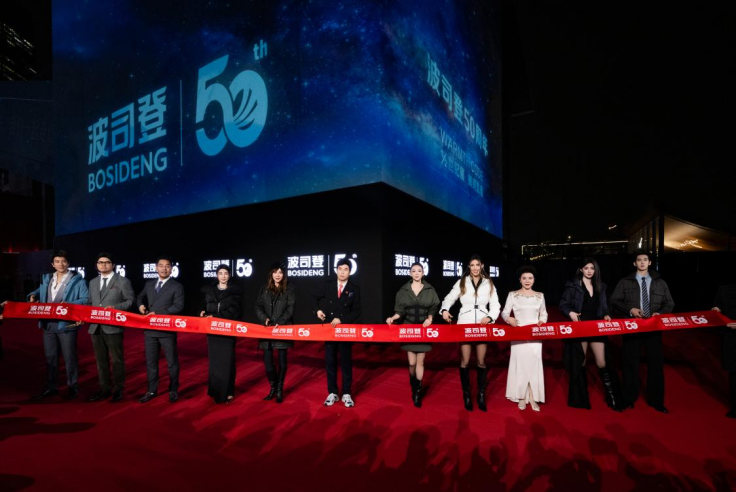
波司登发布截至2025年9月30日止的2025/26财年六个月中期业绩:报告期内,集团总营收同比上升1.4%至89.28亿元人民币,其中,品牌羽绒服业务的营收同比上升8.3%至65.7亿元。盈利能力方面,毛利率同比提升0.1个百分点至50.0%,经营利润同比上升3.1%至15.2亿元,归母净利润同比上升5.3%至11.9亿元人民币。波司登自2018年以来开启转型升级,回归创业初心,聚焦羽绒服核心主业。在集团最为重要的品牌羽绒服业务中,包括核心定位中高端的波司登,以及更为大众向的雪中飞和冰洁,具体来看:波司登营收同比上升8.3%至57.2亿元,占羽绒服板块的比重为87.1%(去年同期:87.1%);雪中飞营收同比下降3.2%至3.8亿元,占羽绒服板块比重为5.8%(去年同期:6.4%);冰洁营收同比下降26.0%至0.15亿元,占羽绒服板块的比重为0.2%(去年同期:0.4%)。财报提及,冰洁英文名调整为「BINJORA」,致力于打造为新一代高质女性首选的羽绒服品牌。

遇见小面登陆港交所

广州遇见小面餐饮股份有限公司(以下简称“遇见小面”)于2025年12月5日正式以“2408”为股票代码在港交所主板挂牌上市,成为“中式面馆第一股”。遇见小面在本次IPO中总计发行97,364,500股H股。其中,香港公开发售获426倍超额认购,国际发售则获约5倍超额认购,并引入了高瓴、君宜资本、晟盈投资、Zeta Fund以及海底捞五位基石投资者,累计认购2200万美元。据其招股书,遇见小面2022年至2024年,遇见小面的总营收分别为4.18亿元、8.00亿元和11.54亿元,复合年增长率为66.2%。同时,遇见小面在2023年实现扭亏为盈,当年经调整净利润为4697.8万元,2024年的经调整净利润进一步增至6388.8万元。今年上半年,遇见小面的营收为7.03亿元,同比增长33.8%;经调整净利润为5,217.5万元,同比增长131.56%,经调整利润率亦较上年同期增长3.1个百分点,达7.4%。

HERE奇梦岛2026财年Q1 营收环比增长93.3%

HERE奇梦岛发布2026财年第一季度(截至2025年9月30日)财报显示,本财季奇梦岛实现潮玩业务总营收1.271亿元,环比激增93.3%,远超1至1.1亿元的业绩指引区间上限。2026财年Q2营收指引为1.5亿—1.6亿元。在IP生态方面,奇梦岛展现出系统性的IP孵化和打造能力。截至9月30日,HERE奇梦岛拥有包括WAKUKU哇库库和ZIYULI又梨等11个自有知识产权IP,以及SIINONO赛诺诺等4个独家授权IP和2个非独家授权IP。明星IP矩阵持续发力,WAKUKU哇库库营收8,973万元,ZIYULI又梨营收2,076万元,SIINONO赛诺诺自7月中下旬推出后营收1,289万元,为奇梦岛业绩注入动能。

精品咖啡品牌 Blue Bottle 或被雀巢集团出售

近日,多家媒体援引路透社报道,雀巢正与投资银行摩根士丹利合作,评估旗下高端咖啡连锁品牌蓝瓶咖啡(Blue Bottle Coffee)的多种选项,包括潜在出售。交易估值预计将低于雀巢2017年收购多数股权时给出的约7亿美元。对此,雀巢和摩根士丹利均拒绝置评。目前,雀巢在全球范围内运营着约100家 Blue Bottle 门店,分布于美国和亚洲市场,同时也销售咖啡粉、马克杯等品牌周边产品。知情人士指出,雀巢可能会选择出售线下门店业务,但保留品牌知识产权以继续运营周边产品销售。

林清轩回应招股书失效:上市正在流程中,已获证监会备案通知书

12月1日电,港交所官网显示,上海林清轩化妆品集团股份有限公司(以下简称“林清轩”)于2025年5月29日首次提交的上市申请已失效。对此,林清轩回应称:“因审计报告有效期届满,公司出现上市申请资料‘失效’情况,这是港交所的正常流程机制,不意味着上市工作终止或暂停。公司将尽快更新招股书重新上传,目前已获得证监会备案通知书”。根据中国证监会发布《关于上海林清轩化妆品集团股份有限公司境外发行上市及境内未上市股份“全流通”备案通知书》,林清轩拟发行不超过1,606.1万股境外上市普通股并在香港联合交易所上市。

曾味获「松露调味品销量第一」认证

12月5日,松露调味品牌曾味Sumerians斩获由CIC灼识咨询颁发的「中国松露调味品销售额第一」权威认证,这一荣誉不仅为曾味的头部品牌地位提供了硬核背书,更标志着曾味在松露调味赛道的标杆价值得到市场及专业机构的双重认可。2025年,曾味与麦当劳、朝日唯品、山姆等头部品牌和渠道达成战略合作,产品全面覆盖烘焙、预制菜、休闲零食等多元类目,实现松露全产业链覆盖。

巴奴毛肚火锅宣布即将在全国范围内新开22家门店

12月5日,巴奴毛肚火锅宣布即将在全国范围内新开22家门店,进一步拉近与消费者之间的距离。此次大规模拓店覆盖多个城市,标志着品牌在高品质火锅赛道上的持续深耕与快速扩张。新店将延续巴奴一贯的“产品主义”理念,以招牌毛肚及精选食材为核心,为食客提供更便捷、更优质的聚餐体验。

Zara母公司Inditex前三季度净利润增长3.9%至46亿欧元

近日,Zara母公司Inditex集团12月3日公布前三季度财报显示,销售额增长2.7%至282亿欧元,净利润增长3.9%至46亿欧元。集团表示,Inditex在214个市场开展业务,但在一个分散的行业中市场份额较低。门店优化工作仍在按计划进行,预计这将进一步提升生产效率。同时预计2025年至2026年期间,年均总面积增长率约为5%,净面积将实现正增长,同时线上销售也将保持强劲势头。

DESCENTE迪桑特首度赞助摩根大通企业竞跑赛上海站赛事

DESCENTE迪桑特首次以赛事赞助商身份亮相2025摩根大通企业竞跑赛(J.P. Morgan Corporate Challenge®)上海站赛事,携手各界企业精英跑者共同开启这场运动精神与城市活力的城市路跑盛会。作为赞助商,DESCENTE迪桑特不仅为摩根大通员工跑团提供专业跑步装备支持,更在现场打造限时品牌体验空间,组织内部员工跑团参与赛事,与数千名跑者一道奔跑,传递“以设计驱动运动精神”的品牌理念。本届赛事吸引近200家企业、超4,500名参赛者参与。迪桑特(中国)有限公司董事长丁少翔先生也与其他赛事领导及嘉宾共同参与起跑仪式,为跑者们加油打气。此次合作进一步拓展了迪桑特在跑步领域的战略布局,强化品牌与都市精英跑者的联结,陪伴每一位行动家在奔跑中突破自我、感知能量。完赛后,迪桑特(中国)有限公司总裁乐俊先生为2025摩根大通企业竞跑赛男子冠军及女子冠军颁奖,共同见证选手荣耀时刻。

TANBOER坦博尔亮相2025年慕尼黑国际体育用品展览会

TANBOER坦博尔参展德国慕尼黑国际体育用品博览会(ISPO Munich),凭借其深度融合可持续发展理念的创新产品——超轻量极地再生羽绒服,斩获“2025年ISPO全球设计大奖”。同时,坦博尔“密护绒隐格”面料,荣获“ISPO 2027/28秋冬面料趋势”最佳产品大奖。这标志着坦博尔连续四年在这一全球顶级行业盛会上获得权威认可,展现了品牌坚持“与自然为友”理念、以天然环保科技坚定可持续发展承诺,向全球户外运动爱好者传递了品牌对可持续发展的深刻思考与实践创新。本次斩获2025年ISPO大奖的超轻量极地再生羽绒服,展现了TANBOER坦博尔在专业户外装备领域对高品质的卓越追求,也是品牌将ESG理念融入产品研发的集中体现。该产品延续TANBOER坦博尔坚持科技创新的核心原则,采用可追溯的环保来源再生尼龙材质,结合创新保暖结构与专业防护科技,以严苛的工艺标准确保产品在轻量基础上实现极寒环境下的可靠防护。TANBOER坦博尔用专业技术实现了环保理念与户外性能的统一,为可持续发展提供了专业级的解决方案。

迪卡侬亚洲首家户外概念店落地成都来福士

近日,迪卡侬于成都来福士广场揭幕其亚洲首家户外概念店。此次全新揭幕的亚洲首家户外概念店不仅是一处零售空间,迪卡侬更希望打造一个连接城市与户外的“生活入口”,在此汇集专业装备与真实场景,让自然以更可触、更贴近的方式真正“走进”城市生活。在产品方面,门店集成了迪卡侬500系列及900系列专业装备,覆盖徒步、滑雪、攀岩、越野跑等多个品类,面向不同运动水平和需求人群,兼备性能与潮流。在门店开业当天,迪卡侬还对其全新的雪板——AW 25系列 Park & Ride 900 Pro全地形单板滑雪板进行了亚洲首发亮相。迪卡侬相关负责人表示,此次亚洲首家户外概念店落子成都,源于对成都这座城市的精准洞察,成都独特的地理条件与生活氛围,也让成都人得以在工作和户外运动这两种节奏之间自如切换,因此全新户外概念店也打造了新的运动场景体验——一处“身边的户外场景”,成为品牌连接消费者的重点。

IDG资本接盘优诺中国,天图投资8.14亿退出

IDG资本通过旗下昆山诺源睿源以约18亿元收购优诺中国100%股权,接盘方将获得业务运营权。天图投资宣布拟以8.14亿元对价出售间接持有的优诺中国45.22%股权,其他卖方同步转让合计约41.74%股权,对价为7.51亿元。管理层持股平台天津睿隽持有约13.04%股权,也将协商出售,对价不超过2.35亿元。交易完成后,天图资本将彻底退出优诺中国,公司预计将录得亏损79.9万元,回笼资金用于一般运营或其他投资机会。优诺中国成立于2013年,主营乳制品生产与销售,2019年4月天图资本通过多家合伙企业出资近3亿元间接控股其100%股权。天图资本自2018年起布局乳制品领域,曾收购蒙天乳业控股权,后因战略调整于2021年底不再并表。

得力上海品牌旗舰店deli world 开业

11月29日,得力上海品牌旗舰店deli world于上海静安大悦城开业。作为目前中国规模最大的文具综合体,该旗舰店总面积达1500平方米,汇聚学生文具、精品文具、IP文具、IP文创周边、时尚办公、生活好物等上万款好物,构建起覆盖学习、办公、生活场景的一站式解决方案。这不仅是得力品牌在消费端的旗舰表达,更是其从“超级制造”迈向“超级体验”的战略跃迁。通过“体验+科技+IP”三维升级,得力为整个文具行业开辟出全新的价值增长路径,进一步夯实中国品牌在全球市场的创新引领者地位。

爱空间与支付宝「家装宝」举行资金存管合作签约仪式

12月3日,整装行业标杆品牌爱空间与支付宝「家装宝」正式结为核心伙伴,并在北京举行了资金存管合作签约仪式。双方将携手通过「家装宝」服务,实现装修产品“满意再付款”支付模式,进一步保障用户权益,致力改善行业长期以来的“信任之痛”。「家装宝」服务落地以后,爱空间用户的装修款会由传统的“直接预付给企业”转为由支付宝提供专属资金管理方案来保障。用户一键开户后,只需四步即可把资金存入专属账户,并且余额实时可查,从根源上杜绝了资金被挪用的风险。但爱空间的客户能享受到的保障将远不止资金安全这一方面。在支付模式上,「家装宝」将电商成熟的“确认收货再支付”逻辑引入家装领域,用户验收确认合格后,相应款项才会从账户上解冻,支付到爱空间,真正实现“钱随进度走,款按质量付”,让用户牢牢掌握施工主动权。在服务透明化方面,「家装宝」还实现了家装全流程线上化、可视化。用户打开手机即可实时查看施工进展、节点验收记录及资金情况。

奥乐齐自牌再上新,“好生活”重构优质、健康、低价新体验

奥乐齐全新推出践行健康饮食方式的ALDI GOOD LIFE好生活系列,以及主打优质食材与美味的自有品牌ALDI GOURMET美食家系列。ALDI GOOD LIFE好生活系列在追求干净配方的同时,回应居民日常饮食刚需,在一日三餐场景提供健康的饮食选择:大果粒蓝莓果酱采用真实果肉,蓝莓含量≥90%;原味吸吸酸奶配料只有生牛乳、乳清蛋白粉和乳酸菌,且0蔗糖;巧克力牛奶也仅含生牛乳、巧克力和可可粉。除此之外,奥乐齐针对自身产品,上线“配料简化”系列,要求单款产品食品添加剂数量不超过3种,且配合多元健康标签,如0系列(0反式脂肪酸、0糖、0脂、0盐等)、低系列(低盐、低GI、低脂、低糖等)、高系列(高钙、高纤维、高蛋白等),精准匹配居民差异化健康需求;此外还有清晰标注“小于100卡、300卡、500卡”的产品,让消费者的日常生活实现健康轻负担。同时,奥乐齐还通过升级产品配方等手段,持续丰富健康产品的种类,让零食、饮料等看似“不健康”的品类也能做到美味与健康兼得:例如ALDI GOOD LIFE好生活系列去核西梅干、苹果干、无花果干均原料简单,产品分别仅有西梅、苹果、无花果一种配料。

潮流新品

BIRKENSTOCK (勃肯) 推出 “鞋床系统”全新视觉

继去年品牌250周年庆典之后,BIRKENSTOCK 开启新篇,推出以品牌核心“鞋床”为主题的全新视觉,通过大胆的画面效果和醒目文案,重新诠释鞋床的卓越功能与创新理念,印证品牌口碑:一旦体验,便难以割舍。围绕“自然行走 (Walk Naturally)”的口号,BIRKENSTOCK聚焦足部及其自然韵律,以别具冲击力的画面传递核心产品信息——关注行走时的动态变化、平衡状态,以及顺应自然步伐的力量。

Saucony索康尼推出最新淬炼冬境系列

Saucony索康尼发布 2025 年最新冬季产品淬炼冬境系列。该系列专注跑者的冬训挑战,着眼于冬季跑步与训练中温度与速度的平衡,融合智能调节系统、多层锁温等面料科技,旨在陪伴跑者开启一场意志与自我的淬炼之旅。为回应跑者冬训中对动态平衡体感与灵活性的核心需求,Saucony索康尼推出多层次冬季训练装备:服饰系列涵盖男、女多款功能服饰与配件,包括三合一外套、羽绒马甲、长袖 T 恤、针织长裤等单品,灵活适配不同温度与运动场景。与服饰系列相呼应,鞋款部分亦呈现出全新亮点,Saucony索康尼在系列中推出特别配色 TRIUMPH 胜利 23,该鞋款凝聚品牌高缓震与舒适脚感的技术基因,适配冬季长距离慢跑和日常训练等多种跑步场景。

让茶芭乐油柑茉莉茶全渠道上新

11月28日,让茶宣布「芭乐油柑茉莉茶」全渠道上新,新品延续让茶首创的「无糖果茶+益生元+高山茶底」的健康品质配方,坚持0糖0能量,精选海拔800米以上高山茶,100%真茶萃取;风味上融合芭乐与油柑双重果味,造就清爽酸甜、一口回“柑”的独特口感。此次全渠道布局,将进一步释放爆款势能,助力让茶深化无糖果茶品类引领者地位。

有创意营销

奈雪十周年官宣品牌代言人高圆圆

12月2日,恰逢品牌十周年,奈雪的茶正式官宣知名演员高圆圆出任品牌代言人。与此同时,行业首款获得低GI证书的蔬果茶——奈雪“瘦瘦小绿瓶”也再次成为市场焦点。这场备受瞩目的合作,不仅是奈雪对十年发展的献礼,更是一次向市场宣告其深耕健康茶饮赛道的决心,旨在与消费者共同开启一场关于健康饮食的新篇章。在近日2025代言人影响力盛典上,高圆圆便曾亲测“瘦瘦小绿瓶”并分享体验,其优雅、自然的健康形象与奈雪十周年升级的“Green计划”战略不谋而合。选择高圆圆,奈雪无疑是想告诉消费者:健康不是负担,而是日常刚需——就像“瘦瘦小绿瓶”,好喝无压力,让健康融入生活。

投融资快讯

高端黄金珠宝品牌「寶蘭」宣布完成上亿元人民币的A轮融资

近日,专注于花丝镶嵌和黄金技艺的高端黄金珠宝品牌「寶蘭」宣布完成上亿元人民币的A轮融资。本轮融资由挑战者创投领投,开云集团和顺为资本跟投。融资资金将聚焦四大核心战略方向,分别为品牌价值深耕、全域渠道布局、供应链韧性升级和核心人才赋能,这将为企业长期高质量发展筑牢根基,并为高端珠宝市场注入全新动能。寶蘭源起于黄金珠宝匠人世家,成立之初便有着深刻的东方美学与匠心基因。创始人自十几岁起便潜心学习传统打金技艺,后北上京城开设金器工坊,奠定了寶蘭的根基。

黄金品牌「琳朝」获亿元战略融资

黄金手工艺术品牌「琳朝珠宝」已完成亿元级战略投资,独家投资方为日初资本。本轮投资将用于产品创新、品牌升级、渠道建设及生产基地建设。「琳朝珠宝」成立于2006年,创始人马朝贤与黄金的羁绊开始得更早。早在 1977 年他出生之前,家里就做了多年黄金加工。在工艺方面,琳朝融合中式金雕与全球花丝技艺,首创錾刻与微镶结合、普通线缝合黄金、隔十颗珠设卡位等技法。其作品如龙凤配、蛇形发簪、无相佛头等均体现从无到有的原创理念。研发成本极高,一枚10克戒指的研发投入可超50万元。

更多精彩内容,关注钛媒体微信号(ID:taimeiti),或者下载钛媒体App